Open your property’s page on Expedia and shrink the browser window until the cover photo is the size of a postage stamp. That is roughly the size of the decision. Someone comparing eleven properties in one tab gives that thumbnail about a second.
Luxury hospitality photography is built for that second. It is not architectural photography with better lighting. It is not a real estate shoot with nicer furniture. Commercial lifestyle photography for a property sells the stay, not the square footage.
The production approach, the pacing, the styling, and the post are all calibrated to signal a tier of experience. That signal lands before anyone reads a word of your copy.
Luxury Reads as Restraint, Not Volume
The fastest way to make a property look mid-tier is to show everything at once. Two furniture groupings, three light temperatures, a television, a coffee maker, and a view, all competing inside one frame. Nothing in that picture is wrong. Nothing was chosen, either.
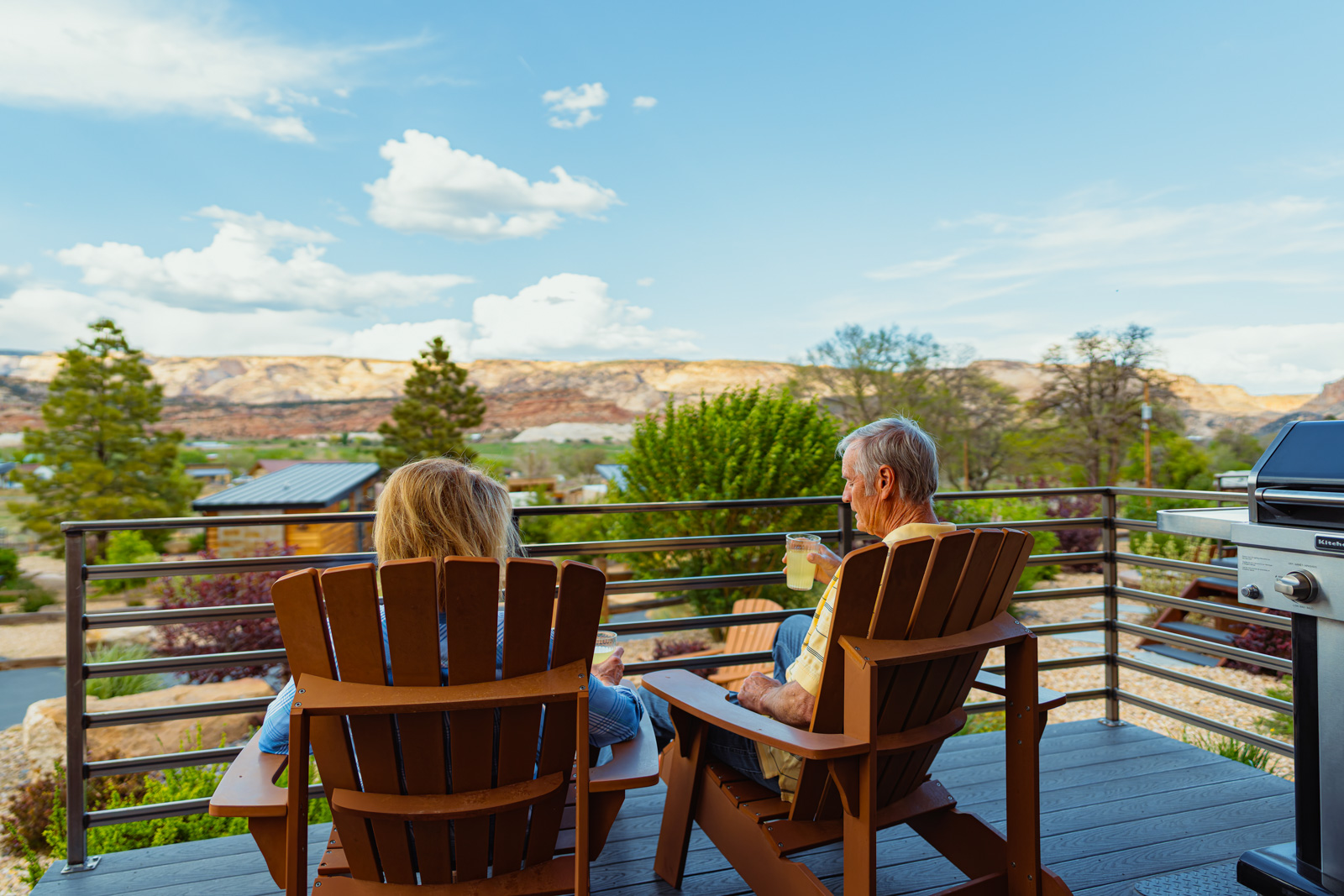
Luxury imagery works the other direction. Intentional negative space. A narrow color palette that matches the brand instead of whatever the room happened to contain that morning. One idea per frame, and the rest of the property waits its turn.
There is research behind this now. A 2025 study in Tourism Management Perspectives tested luxury hotel cover photos on booking platforms. It compared images built on hedonic value, meaning the feeling of the stay, against utilitarian images that documented features. The hedonic photos won on click-through, on booking intention, and on willingness to pay.
The mechanism the researchers named was mental pre-experiencing. The viewer imagines being there before they ever look at the rate. That is a useful way to audit your own gallery. If an image only answers what the room contains, it is doing half the job.
One finding deserves underlining. The effect was strongest for properties with lower brand awareness, and weaker for hotels people already recognize. A global flag can survive a competent room record. An independent resort cannot. (If you have wondered how the chain down the road gets away with worse photos than yours, that is your answer.)
Restraint has a limit, though. Push the styling far enough and the images stop reading as aspirational and start reading as unattainable. A guest needs to picture themselves in the frame, not an art director. The balance point is a room that looks like its best morning, not a room nobody has ever slept in.
Empty Rooms Photograph Your Inventory, Not Your Stay
Most property libraries are built almost entirely from vacant spaces. Bed made, curtains open, lights on, nobody in frame. It is an accurate record of what you own. It says very little about what it feels like to be there.
Putting people in the frame fixes that. It also introduces the part of the production most owners have not thought through. Anyone recognizable in a commercial image needs a signed model release. That covers your staff and your actual guests, not just hired talent. Identifiable private spaces can require a property release on top of it.
The paperwork is why hospitality shoots usually cast talent instead of recruiting from the front desk. Cast models match the guest you are selling to. They are also comfortable being directed for six hours.
Staff rarely match the target demographic. They are working while you shoot. And if someone leaves in eight months, your hero image now features a former employee.
Real guests are the exception that tempts everyone. Candid shots of people actually enjoying the property are persuasive. They are also the ones most likely to arrive without a release. If you want to use them, ask on the spot and get it in writing.
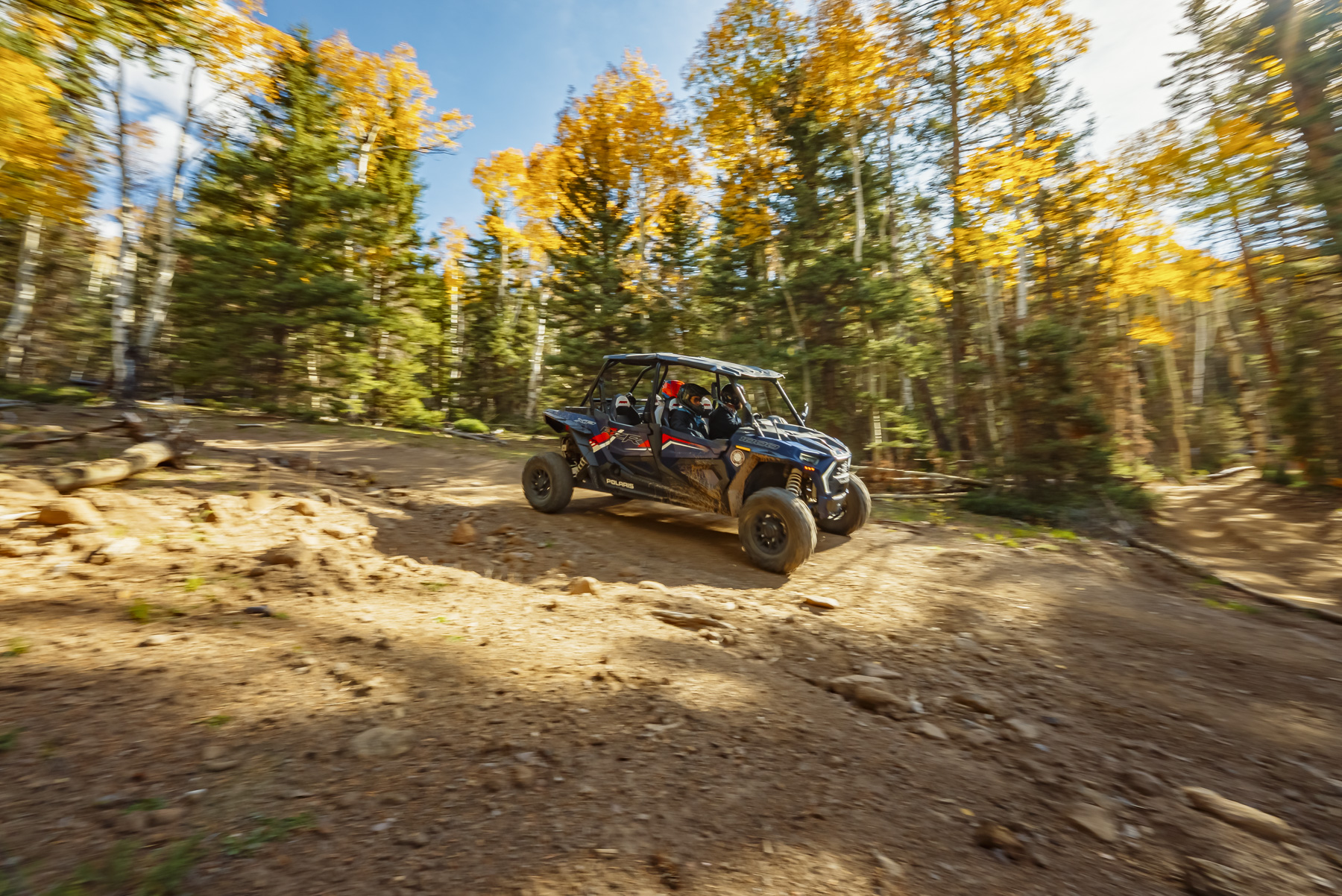
Staff still work in specific framings. A chef photographed from behind at the pass reads as genuine without asking anyone to act. A pair of hands setting a table carries the same signal with no face in the shot.
The Production Load Is Where the Budget Actually Goes
A property shoot costs more than a standard commercial day. Almost none of the difference is camera time. It starts with rooms. The units you want photographed have to be blocked and held, so real revenue comes off the books before anyone unpacks a light.
Then those rooms have to be styled, and styling runs slower than anyone budgets for. A robe laid across the back of a chair instead of folded flat takes four minutes to get right. A coffee tray that looks poured rather than staged takes longer. Multiply small things across a dozen setups and half a day is gone.
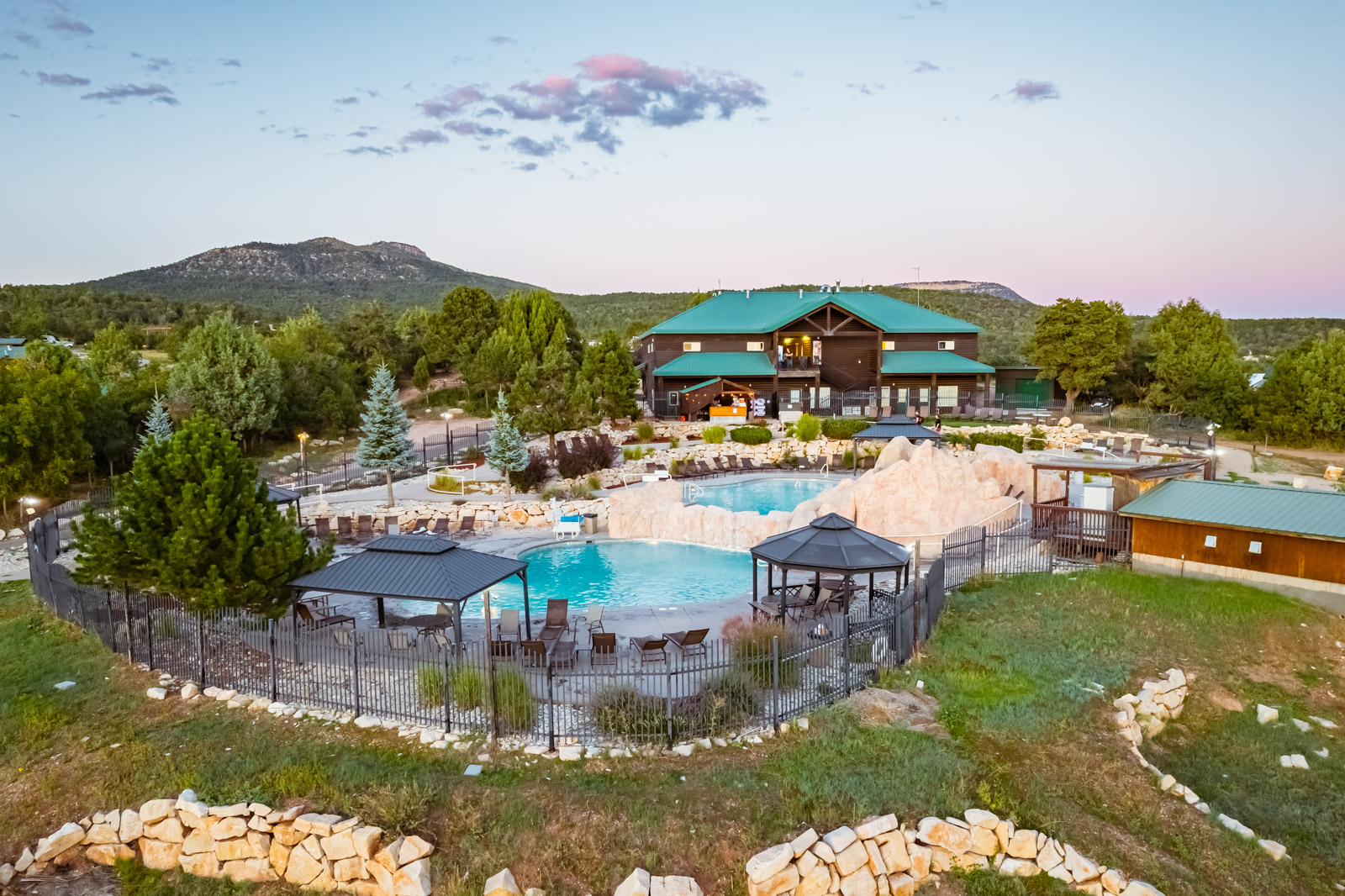
The schedule compounds it. Exterior and pool work wants late light or the twilight window, which is maybe forty minutes a night. Interiors want the property quiet, so you shoot around occupancy instead of through it. One person should own the shot list and the clock. A day falls apart the moment the next setup gets decided by whoever is standing closest.
Twilight is worth the wait. A property shot in the blue window reads warmer and more expensive than the same building at noon. The interior light finally has something to contrast against. It is also the frame most often chosen as a hero, so budget a night for it.
Post-production is its own line item, and it is not retouching. It is deciding what your brand’s images look like and holding that across four hundred files. Warm and golden, or cool and architectural. Deep shadows, or open and airy. That decision is a positioning choice, and it should match your rate, not the current preset trend.
None of this is exotic. It is simply why commercial photography pricing for a resort lands differently than a half day of headshots. A serious quote is built around production, not a flat day rate. If you are evaluating photographers, the planning questions they ask you are the real signal. That is most of what separates hiring a commercial photographer well from hiring one cheaply.
Shoot for the Channels That Actually Sell the Room
A library that only serves your own website is half a library. Your images get resized, cropped, and scored by distribution platforms that publish their own requirements. Those requirements are specific, and they are not suggestions.
- Booking.com wants at least 2,048 pixels on the long edge for a good content score. It prefers closer to 4,000 by 3,000.
- Booking.com accepts up to 45 images per property, so a thin gallery is a self-inflicted wound.
- Expedia treats 2,880 pixels on the long edge as high resolution, and rejects anything under 1,000 pixels outright.
- Expedia also requires at least four images for every active room type, one of which has to be a bathroom.
- Capture every major scene in both portrait and landscape, because mobile and social crops will not letterbox your composition politely.
There is a licensing consequence buried in that list. Feeding images to booking platforms, a tourism board, and a channel manager is third-party distribution. That is a different usage grant than putting pictures on your own site. Settle it in the quote, not eighteen months later when a partner runs your pool shot in a paid campaign.
The same logic applies upstream. Deciding which images you need before the shoot is what turns a property library into a marketing photoshoot strategy instead of a folder. Brand lifestyle photography for hospitality lives or dies on that plan. It is also the difference between a gallery that looks expensive and one that only looks nice.
Luxury photography for a property is not a style applied at the end. It is a set of decisions about restraint, casting, scheduling, and distribution. All of them get made before the first frame, and all of them are visible in every frame after. Your gallery either survives being shrunk to a thumbnail on someone else’s platform, or it does not. That gets settled weeks earlier, in a planning call.
If you are building a visual library for a hotel or resort this year, that call is where I would start. Here is what a production day covers.