Most business owners assume that when they pay a photographer, they are buying the photos. That is not what happens. Almost every confusing line item on a commercial photography quote traces back to that one gap in expectations.
Commercial photography licensing fees are the part of the invoice that makes people squint. The shoot fee makes sense. Someone showed up, worked for a day, and edited the results. Then there is a second number attached to words like usage, term, and territory. What that money buys is rarely explained, and it changes depending on where the picture ends up.
It is a simpler system than it looks. It just gets explained badly.
What You Are Actually Paying For
A commercial photography quote is usually two separate things stapled together. The creative or production fee covers making the images: the photographer’s time, the crew, the gear, the location, the retouching. The license covers your right to use them.
Those are genuinely different purchases. One is labor. The other is permission.
Permission has to be purchased because of how copyright works. Under U.S. law, the photographer owns the copyright the moment the shutter fires. That holds whether or not a client paid for the day. Commissioning the work does not transfer ownership by itself.
The Copyright Office is specific about the exception. A photograph only becomes a work made for hire if it lands in one of nine narrow statutory categories. Both parties also have to sign a written agreement saying so. A purchase order and a handshake do not clear that bar.
So the images are licensed to you, not sold to you. Think of it closer to a commercial lease than a purchase. You get defined rights, for a defined period, in defined places. The photographer keeps the underlying asset. (This is also why “can you just send me the RAW files” lands differently than most clients expect.)
None of this is a trick. It is the same structure that governs music in a commercial, stock footage in a training video, or a font in your logo. Photography is just the version where clients meet it face to face.
The Five Things That Set a License Fee
Licensing looks arbitrary from the outside because the number moves so much. It moves for reasons. A license is defined by a short list of variables. Every one of them is cheap to set before the shoot and expensive to change afterward:
- Media and channel. Where the image runs. Your own website and organic social sit at the bottom. Print, paid digital, and broadcast climb from there.
- Duration. How long you can use it. Most commercial licenses run one to five years. Perpetual costs more because it never expires.
- Territory. Local, regional, national, or global. Reach and price move together.
- Exclusivity. Whether the photographer can license the same image to anyone else. Locking that down means giving up other income, so it carries a premium.
- Scale of the buyer. A regional nonprofit and a national retailer do not pay the same rate for identical usage, because the image is not doing identical work.
Change one variable and the number changes. That is the whole mechanism. Nothing else is hiding behind it.
This is also why two photographers can quote the same shoot and land thousands of dollars apart. One priced a year of web use. The other priced perpetual rights across every channel you own. Comparing those two numbers side by side tells you nothing useful unless the usage lines match.
When a quote feels unpredictable, it usually means those five things were never pinned down in writing. That is a scoping failure rather than a pricing one, and it is fixable in a single email.
Worth saying plainly: there is no official rate card behind any of this. The long-running Fstoppers guide to license fees is direct about it. No true industry standard exists. Rates get built from market, experience, and how much value the usage actually generates.
Why Advertising Costs More Than a Website Photo
Here is the part that trips people up. The same photograph, shot on the same day, can carry a $500 license or a $50,000 one. The photographer did not work harder in the second scenario.
Licensing prices the value of the use, not the difficulty of the shoot. An image on your about page reaches the people already visiting your site. That same image in a national campaign is doing paid work at scale, backed by a media budget, in front of an audience you bought. The commercial return is different by orders of magnitude, so the license is too.
Public figures vary widely by market, and you should treat any single range with suspicion. The shape is consistent even when the numbers are not. Industry breakdowns commonly put web and organic social usage in the hundreds to low thousands. Broader licenses covering web, print, and paid social for a year or two land in the low five figures. Full perpetual buyouts sit higher still, and agency rate guides for national campaign work run steeper than all of it.
That spread between sources is not a contradiction. It is the difference between a ten-person company and a brand with a Super Bowl slot.
The same logic runs underneath everything else on a commercial quote. I broke that down further in this piece on commercial photography pricing. Rates track outcomes. They always have.
The Honest Version for Most Small Businesses
Now the part that most licensing articles bury, because it does not make the topic sound impressive.
If you run a small or mid-sized business, you almost certainly do not need the complicated version. What you need is a standard digital usage license. That covers your website, your social channels, your email, your sales decks, and your trade show materials.
Make it multi-year or perpetual while you are at it. You are not going to want to re-license your own team photos in eighteen months. That license is straightforward to write, easy to price, and a normal part of a normal quote.
Licensing gets genuinely complicated in three situations: paid advertising, third-party distribution where a retailer or licensee uses your images, and national campaign work. If you are not in one of those three, the conversation should take about four minutes. Most commercial photography engagements at this scale never go past it.
Where small businesses do get burned is scope creep after the fact. A photo licensed for your website turns up in a paid ad campaign a year later. A distributor pulls it for their catalog. The term quietly expires and nobody tracks it.
Fixing that later always costs more than including it upfront. You have lost your leverage, and the photographer is pricing a use that already happened. If there is any chance an image ends up in paid media, say so during the quote. That one sentence is worth more than any negotiating tactic.
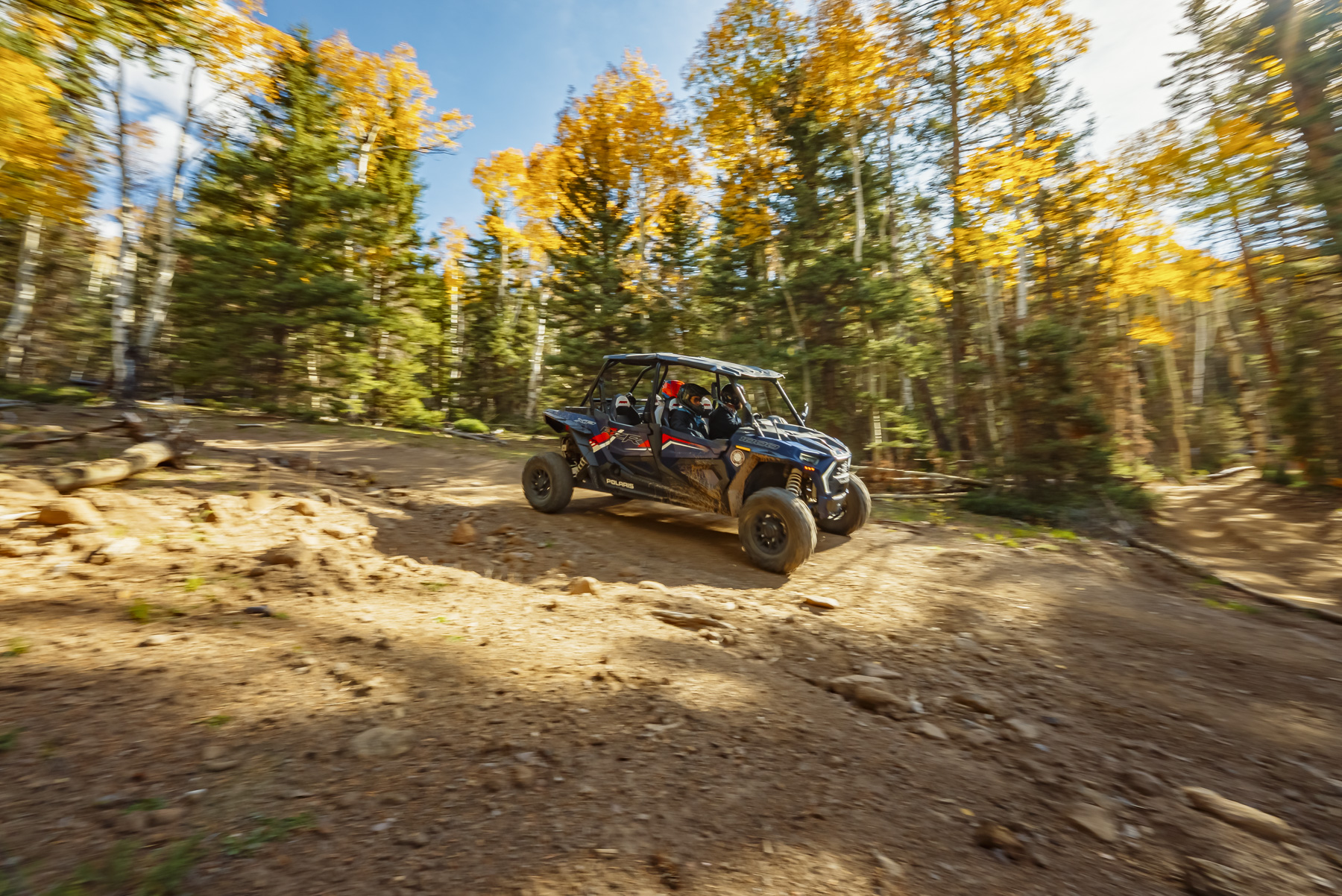
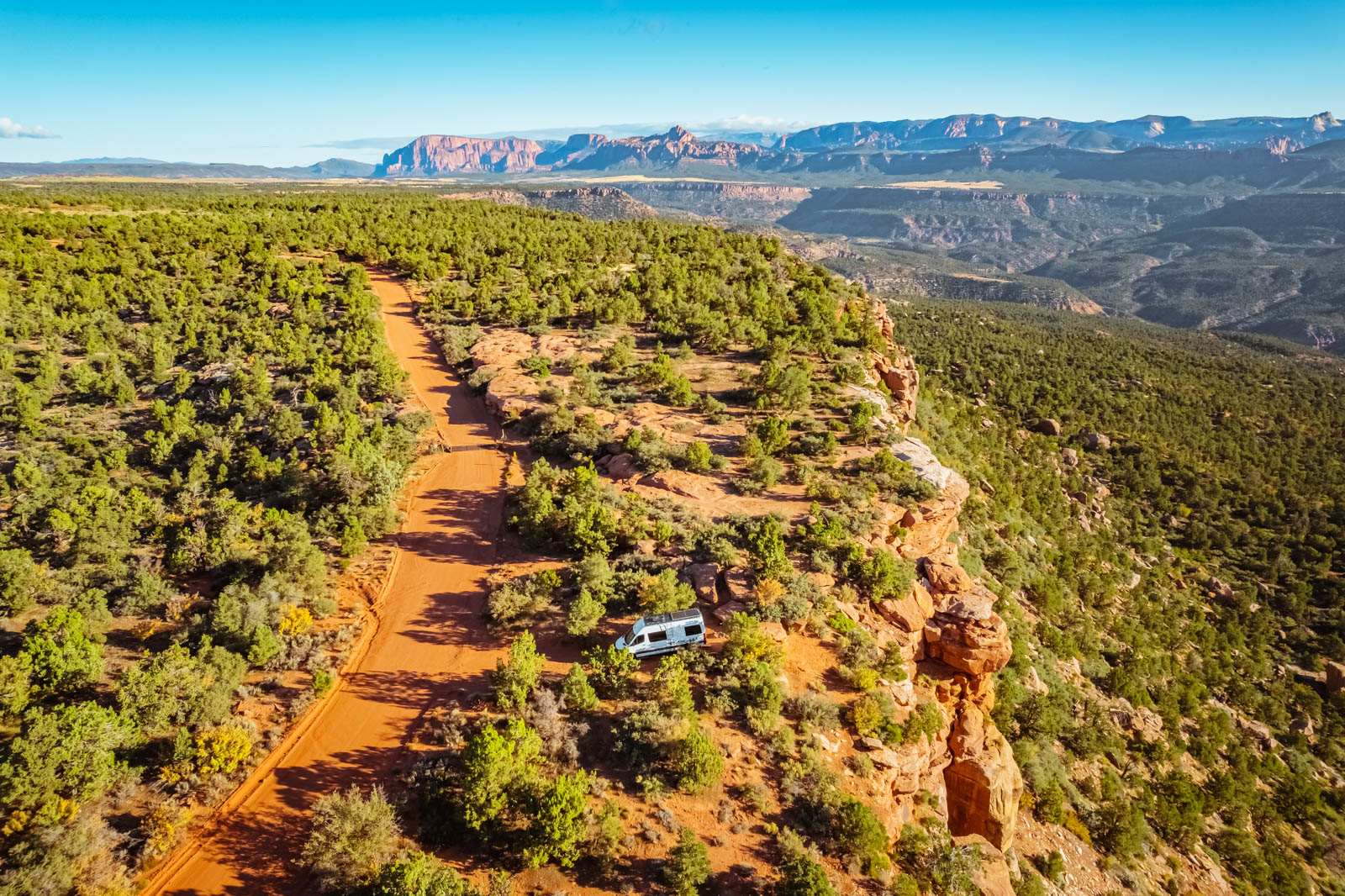
This is the same discipline I described in how to hire a commercial photographer. Name the real use case and get it written down. It applies to a set of headshots and to a full outdoor lifestyle product campaign alike. Campaign images in particular tend to travel across more channels than anyone planned for.
A license that matches what you actually do with the images is the cheapest version of this you will ever buy.
If you want to know what your usage requires before you commit to a shoot, that conversation is worth having early. Tell me what you are planning and I will tell you what license it needs.