Every single person booking their first brand shoot pictures the same thing. Someone shows up with a camera. They point it at stuff for a couple hours, hand over a folder of pictures, and everybody goes home happy. That is a wedding. It is also still what half my consult calls sound like they are expecting. Nobody explains the real process until they are three weeks deep into confusion about what a “clean and modern” brand is even supposed to look like.
A brand shoot is a small production built around what your business actually needs. It is not a “content day” with your name on the invoice, no matter what the booking form calls it. Everything before I pick up the camera matters as much as the two hours I spend holding it. I know that sounds like a sales pitch. It is the part that keeps a shoot from becoming an expensive way to discover you needed a wardrobe change nobody packed.
Nobody Warns You About the Mood Board
A real brand shoot starts with a conversation, not a camera. Website hero images need different framing than a social post. A founder headshot needs different lighting than a product-in-use shot. That conversation is where “I want it to feel premium” turns into an actual plan. Otherwise it stays a vibe I have to guess at while everyone stands around waiting.
From there comes the mood board, which sounds fancier than it is. It is a pile of reference images sorted into a few lanes: light, color, framing, styling, mood. Then it gets narrowed to whatever is actually shootable in the time and location we have. I have watched a client’s Pinterest board full of golden-hour rooftop shots collide head-on with a Tuesday afternoon and a parking garage. The mood board has that argument before shoot day, not during it.
Out of that comes a shot list. A real one gets specific: subject, shot type, lighting setup, background, priority. Some shots are must-have. Others are nice-to-have if the clock cooperates, and the clock almost never cooperates. That distinction is the difference between a gallery that delivers and one that ends forty-five minutes in with everybody staring at a half-finished checklist.
The Stuff Nobody Puts On the List
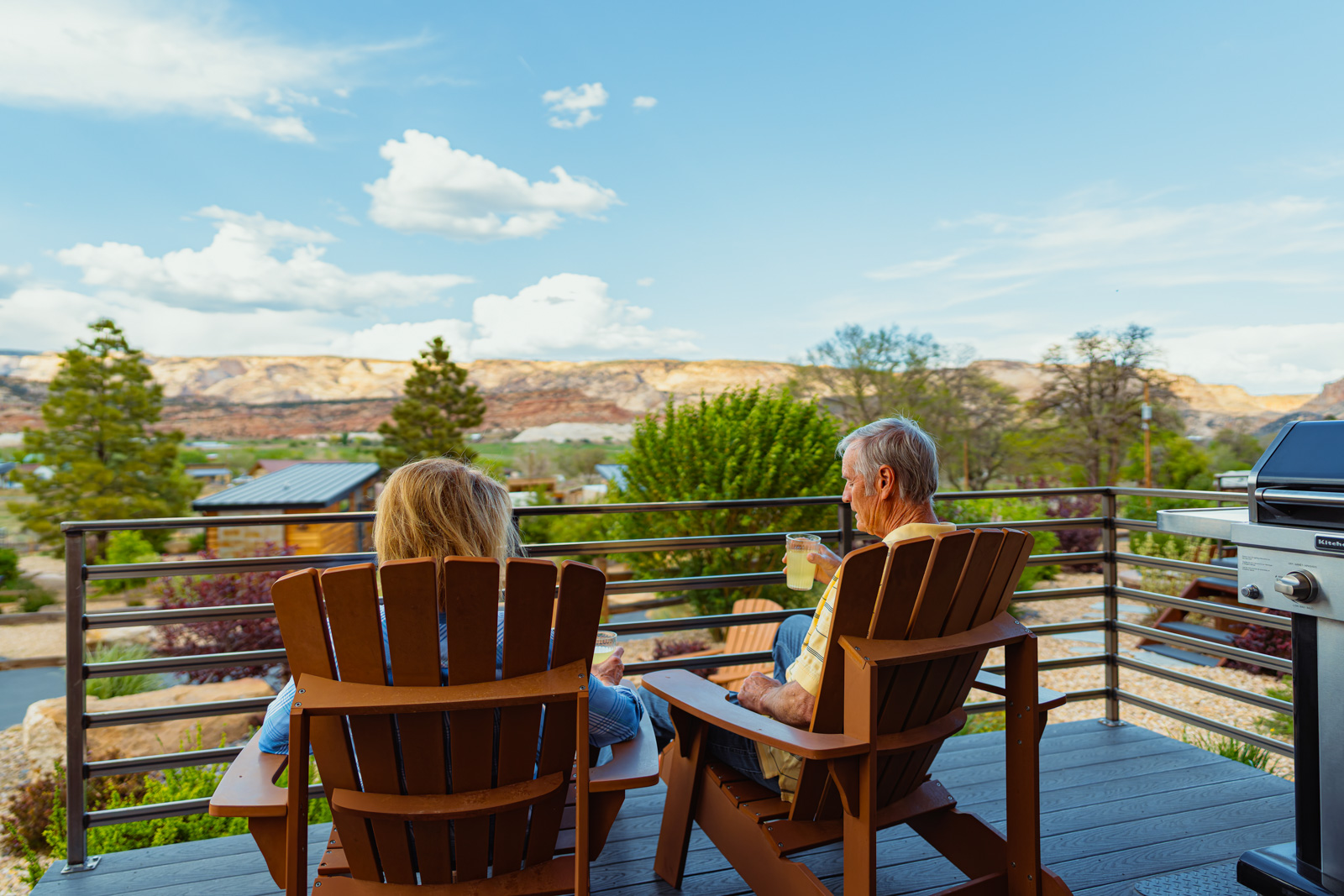
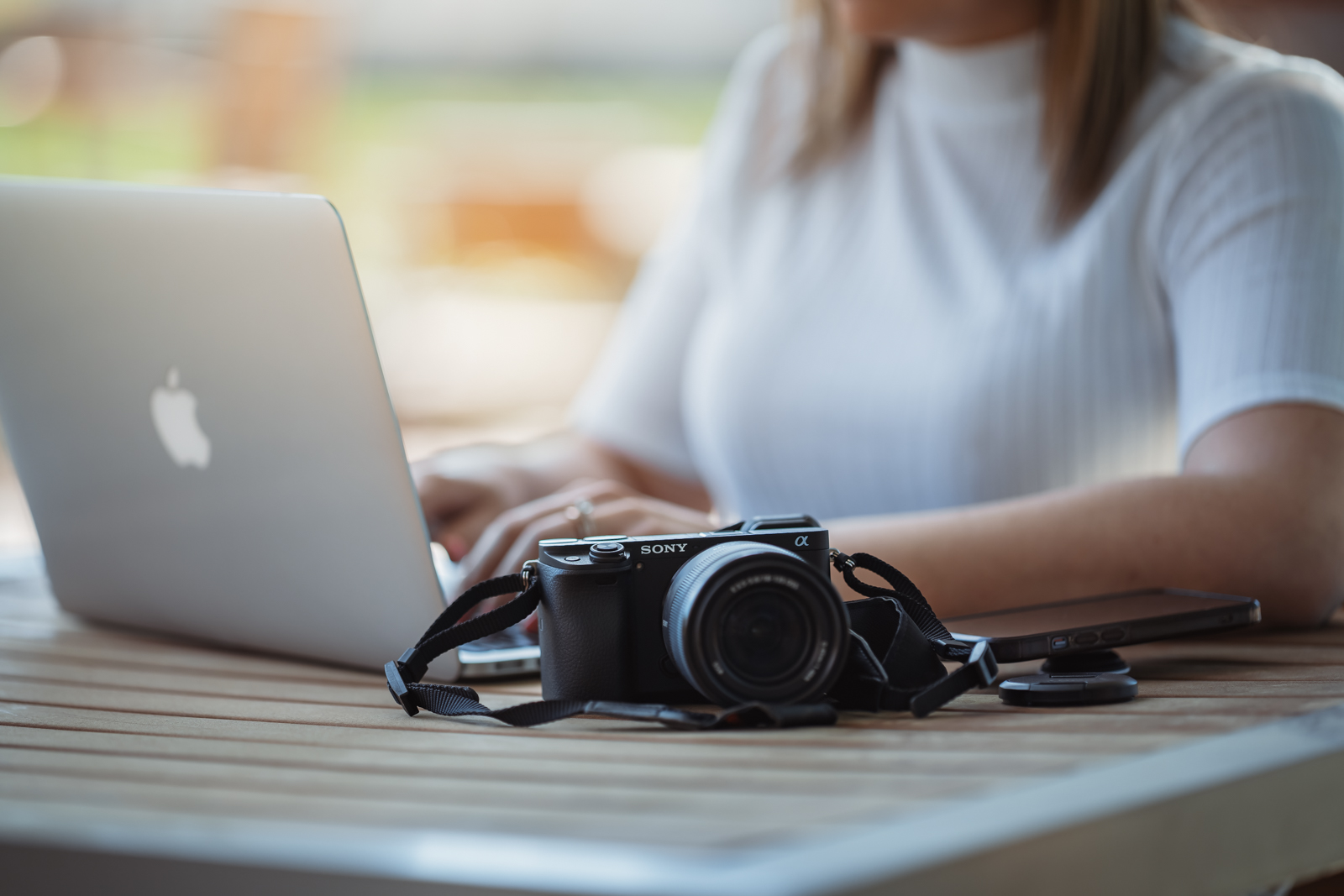
A realistic shot list for most small businesses breaks into four buckets. Headshots come first. They get reused for years across LinkedIn, the website team page, and whatever press mention eventually happens. Process shots come next: you or your team actually doing the work. These get skipped constantly, even though they sell competence a posed headshot never will.
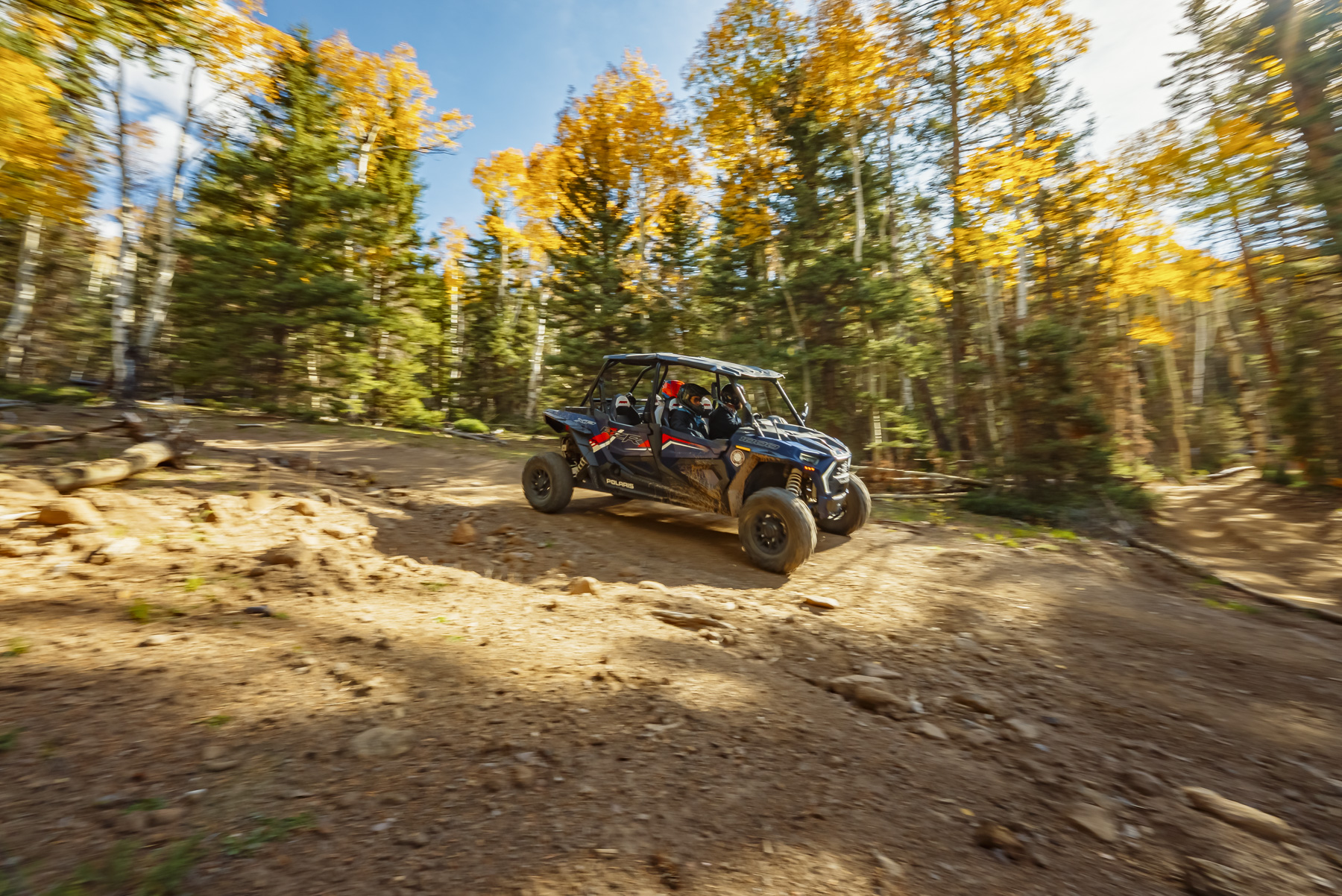
Product-in-use or environment shots are the ones a messy desk quietly ruins, the same way one gas station receipt on the counter turns a clean kitchen photo into evidence. Lifestyle shots round it out. These are the genuine-laugh, real-conversation images, staged just enough to not look staged, which is a stranger sentence to type than it should be.
Wardrobe is the one thing every client tries to shortcut, and it deserves ten actual minutes of thought. Solid, controlled colors hold up on camera. Tight patterns do not. Thin stripes and small checks can trigger moire, a shimmering interference pattern that shows up when a fabric’s fine lines get into a genuine fistfight with your camera sensor’s own grid, and the sensor does not lose gracefully.
I have opened a gallery to a shirt visibly vibrating on screen like it was trying to climb out of frame. No amount of editing calms that back down. Bring a backup outfit. Trust me on this one specifically.
What You’re Actually Paying For
A single-location shoot covering headshots plus process and lifestyle work usually runs two to four hours on site. Almost none of that is shutter clicks. It is lighting setup, wardrobe checks, and working through the must-have shots before anyone touches the optional ones. A rushed two-hour session against a six-hour shot list ends one way. Full folder of headshots, nothing that actually feels like the business.
Editing is where the mood board earns its keep. Color grading and retouching get calibrated against the look everyone already agreed on, not decided from scratch at eleven at night. Turnaround is usually one to two weeks for a full gallery, faster for a rush set of headshots. Delivery is a private online gallery, licensed for whatever the shoot was actually for.
None of this is complicated once you see the shape of it. A real conversation. A mood board. A shot list with an honest sense of priority. A session built around that list instead of around the clock. An edit that matches what everyone agreed on before anyone showed up.
If you are figuring out what your business needs from a session like this, tell me what you are actually trying to accomplish. Not what you think a brand shoot is supposed to sound like. I will tell you what the real shot list looks like. Start here, and bring the backup shirt either way.