A buyer gives your cover photo about a second. Then they click in or scroll past you like you’re a pop-up ad for car insurance. That’s the whole pitch. The price, the square footage, the agent’s breathless description of the “cozy” laundry closet. None of it gets read unless the photo already did the work.
I used to think a decent camera and a sunny day covered it. It doesn’t. I’ve shot listings that sat for two weeks. I’ve shot listings that got six showings before the sign was even in the yard. Same market, same price range. The difference was never the house.
It was whether the photos let a buyer’s brain do what it actually does. Judge eleven tabs at once. Forget ten of them by lunch.
The Photos That Actually Work Aren’t Trying to Impress Anyone
Here’s the number that should bother every agent still shooting listings on a phone propped against a cereal box. Listings with professional photography pull roughly 61% more online views. Homes shot professionally sell around 32% faster once they’re live. That’s not a marginal edge. That’s the difference between a listing that gets seen and one that gets buried under forty identical thumbnails of beige carpet.
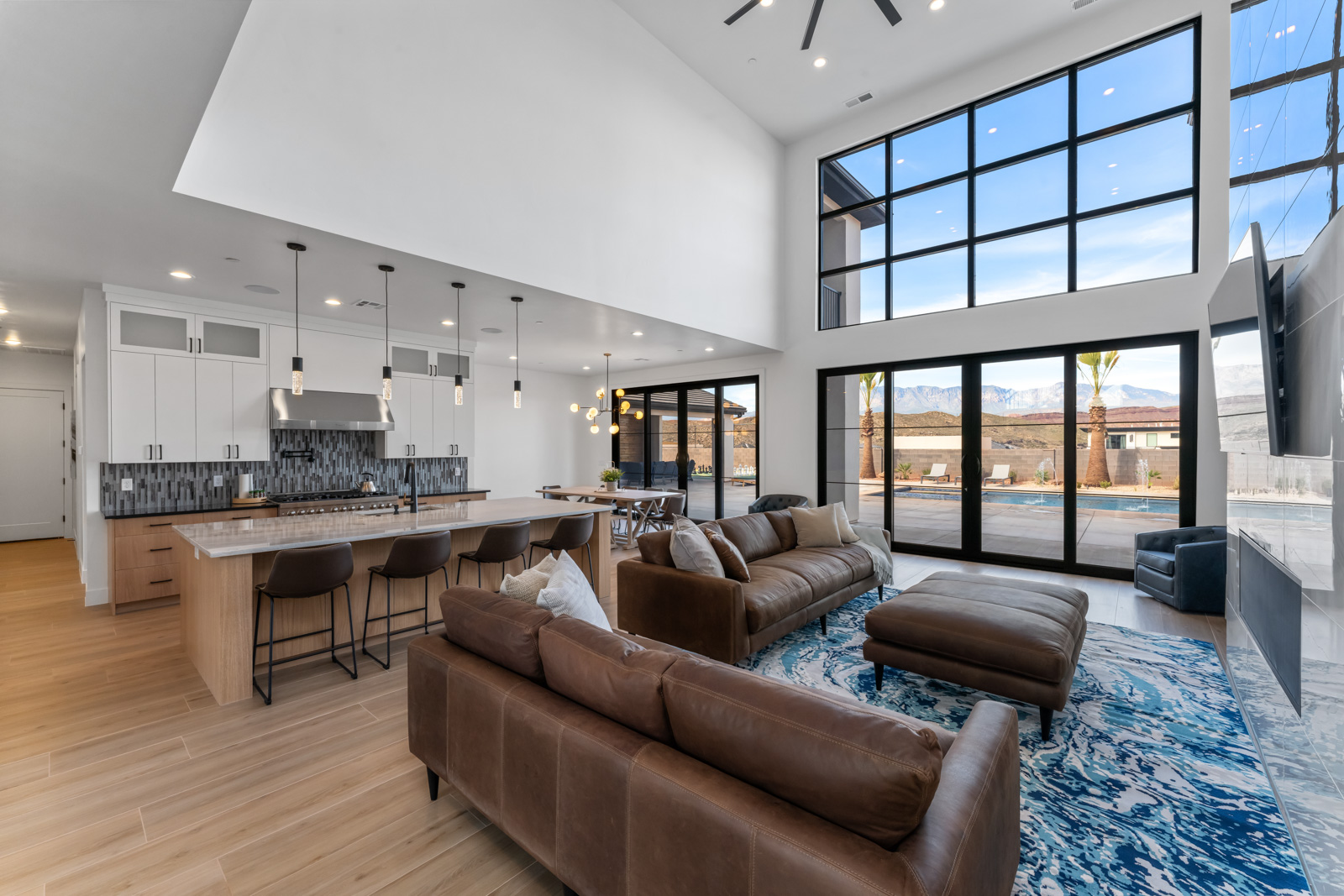
A buyer isn’t touring your listing. They’re scanning it the way you scan a menu when you’re starving and impatient. A photo sequence that wanders is the visual version of a waiter reading you the whole wine list before you’ve sat down. One clean sightline per room does the job. So does a logical order: living room into kitchen into the primary suite. A buyer should basically walk the floor plan without opening Maps.
Wide lenses help you get that clarity. They’re also how amateurs quietly lie to buyers without meaning to. Interior work sits around 16 to 24mm on a full-frame body for a reason. Go wider and a ten-foot bedroom starts reading like a hotel suite. Walls bow. Door frames lean like they’ve had a few drinks. Fix that in post with real vertical correction, or don’t shoot wide at all.
The Editing Line You Don’t Cross, Even If Nobody’s Watching
HDR blending exists because a bright window and a dim room in the same frame is more range than one exposure can hold. Done right, nobody notices it happened. Done wrong, it produces that flat, over-processed look where every surface has the same waxy glow. The whole house looks hit with a filter meant for a skincare ad.
Sky replacement on an exterior is normal. Most MLS systems are fine with it. Nobody’s pretending the sky is a selling feature. Editing out a fence, a utility box, or an entire fireplace is a different animal. That’s not enhancement. That’s showing a buyer a house that doesn’t exist yet.
The moment they walk in and notice the fireplace from the photos is gone, that’s a real problem. It’s not a technicality.
The same honesty applies to staging. A photographer who shows up and shoots whatever the house looks like that morning is documenting a mess. One who checks sightlines first and clears counters before the camera comes out of the bag is a different photographer entirely. That’s the reason the “effortless” photos never mention the forty-five minutes of effort that happened first. The coordination rarely shows up on the invoice. It’s usually the whole difference.
Twenty Photos Isn’t a Quota, It’s Where Coverage Starts Meaning Something
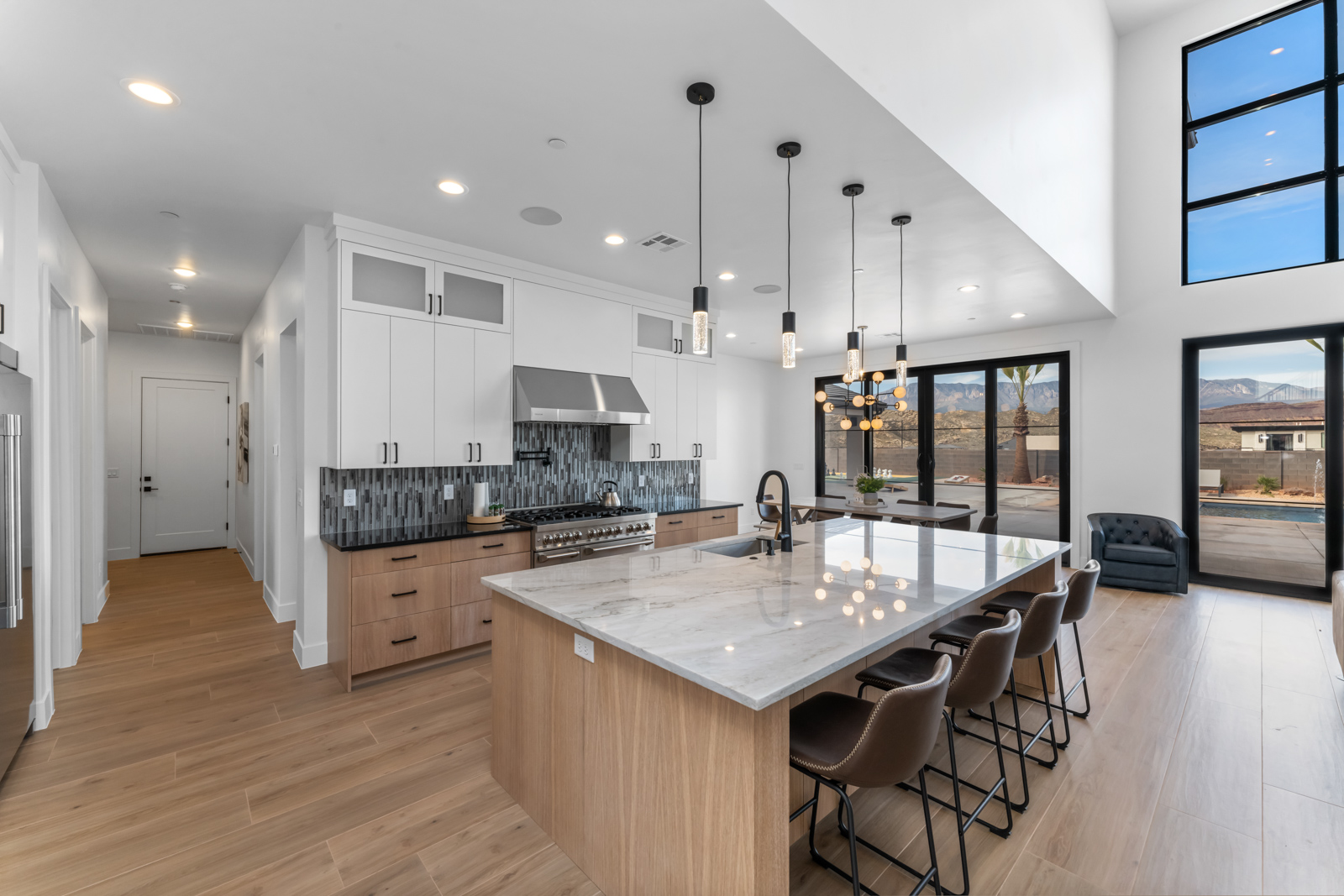
Listings with twenty or more professional photos consistently beat listings with a handful of quick shots, in both views and speed to sale. That’s not an argument for photographing the water heater. It’s an argument for covering every room a buyer actually cares about, from more than one angle where the room earns it. A kitchen usually needs the full room, the island, and one honest detail shot of whatever feature is worth selling. One wide shot of a primary bedroom and calling it done is how you end up documenting a house. It’s not the same as selling one.
Drone shots earn their cost on the right property. On the wrong one, they look like a nervous habit. Sometimes the lot size, the layout, or the proximity to water is actually part of the pitch. When that’s true, an aerial shot answers a question before the buyer has to call and ask it. If the lot is a quarter acre with a fence on three sides, the drone just confirms that, at extra cost.
None of this needs exotic gear. It needs someone who’s shot enough listings to know where a buyer’s eye actually goes. Someone who treats the correction work as part of the job, not the thing you skip when you’re tired.
If you’ve got a property that needs to compete instead of blend into the scroll, tell me about the listing. I’ll walk you through exactly what the shoot should cover before anyone shows up with a camera.