Pull up your Instagram feed right now. Scroll back six months. Count the visual styles. If you’re like most business owners, you’ll find phone shots mixed with professional images mixed with Canva graphics mixed with stock photos. Three years of content that looks like five different companies sharing one account.
That visual chaos has a name. It’s the absence of brand photography. And most business owners don’t realize it’s a problem until someone points out that their feed, their website, and their Google listing all look like they belong to different businesses.
Here’s what that scattered approach really costs you. Every random image trains your audience to forget you. Every mismatched visual weakens the link between your business and what you do. You’re spending time and money on content that works against recognition, trust, and your ability to charge what you’re worth.
What Brand Photography Actually Is and What It Isn’t
Think about your own website for a second. If you’re charging premium prices but your homepage photo looks like it was taken in front of a beige wall with bad overhead lighting, there’s a mismatch. And your prospects can feel it even when they can’t name it. Premium pricing with amateur visuals creates a trust gap that your sales team has to close by hand, every single time.
Brand photography is the planned, consistent visual identity of your business captured in images. That’s the definition that actually matters. It includes deliberate choices about lighting, color, composition, setting, and styling. These choices create recognition across every place your audience finds you.
This goes beyond headshots and product photos. Your visual identity covers how your team looks, how your space appears, and how your products are styled in context. It’s about how all these pieces connect to tell one clear story. Random photos of your office lunch don’t count. No matter how good the tacos were.
And this is where the most common confusion shows up. A business owner says they have brand photography. What they actually have is a set of headshots from two years ago and nothing else. A headshot is one image for one purpose. It’s a shoulders-up portrait that goes on your website bio and your LinkedIn profile. It takes 15 to 20 minutes. It tells people what you look like. That’s the entire job.
A brand photoshoot is a different investment. It involves planning, strategy, and usually a half day or full day of intentional image creation across multiple setups and locations. The result isn’t one photo. It’s 50 to 150 images that serve every marketing channel you use for the next year or longer. If you only have shoulders-up portraits against a blank wall, you have headshots. You don’t have brand photography. Both are valuable. They solve different problems.
The businesses that understand this invest in visuals like they invest in strategy. They treat their image library the way they treat their messaging or their sales process. It’s not decoration. It’s a system that grows stronger over time.
Why Consistency Beats Quality Most of the Time
I’ve seen this pattern play out across every industry I photograph. The businesses that win at visual marketing aren’t always the ones with the fanciest photos. They’re the ones whose visual style stays the same long enough to stick in people’s minds.
Think about two coffee shops in the same neighborhood. Shop A has stunning photos that change style every few months. They hire different photographers with different looks. Shop B has good (not great) photos that keep the same feel for three years. Shop B wins because human brains remember patterns. We don’t remember one-off moments of brilliance.
The data backs this up. Research on brand consistency shows that consistent visual presentation can increase revenue by up to 33%. People form first impressions of your website in about 50 milliseconds, and nearly half of those judgments are based on visual design alone. Your audience isn’t sitting and analyzing your photography. They’re feeling something about your brand in the time it takes to blink.
Consistent visuals create a consistent feeling. Mixed visuals create confusion. And confused customers don’t buy.
A documented A/B test showed that replacing a single stock photo with a real photo of the actual business owner increased sign-ups by 35%. That’s not a design change. That’s not a copy change. It’s the difference between a generic image and one that represents the real business. Your audience can feel that difference even if they can’t name it.
A clear visual system at 80% quality beats random brilliant shots at 100% quality. Most businesses chase the wrong goal. They want impressive images when they really need recognizable ones.
What Goes Into a Brand Photography Library
Most businesses that invest in brand photography come away with a collection of nice photos but no real system. The difference between a useful library and a folder of random branding photos comes down to whether you shot for five specific categories.
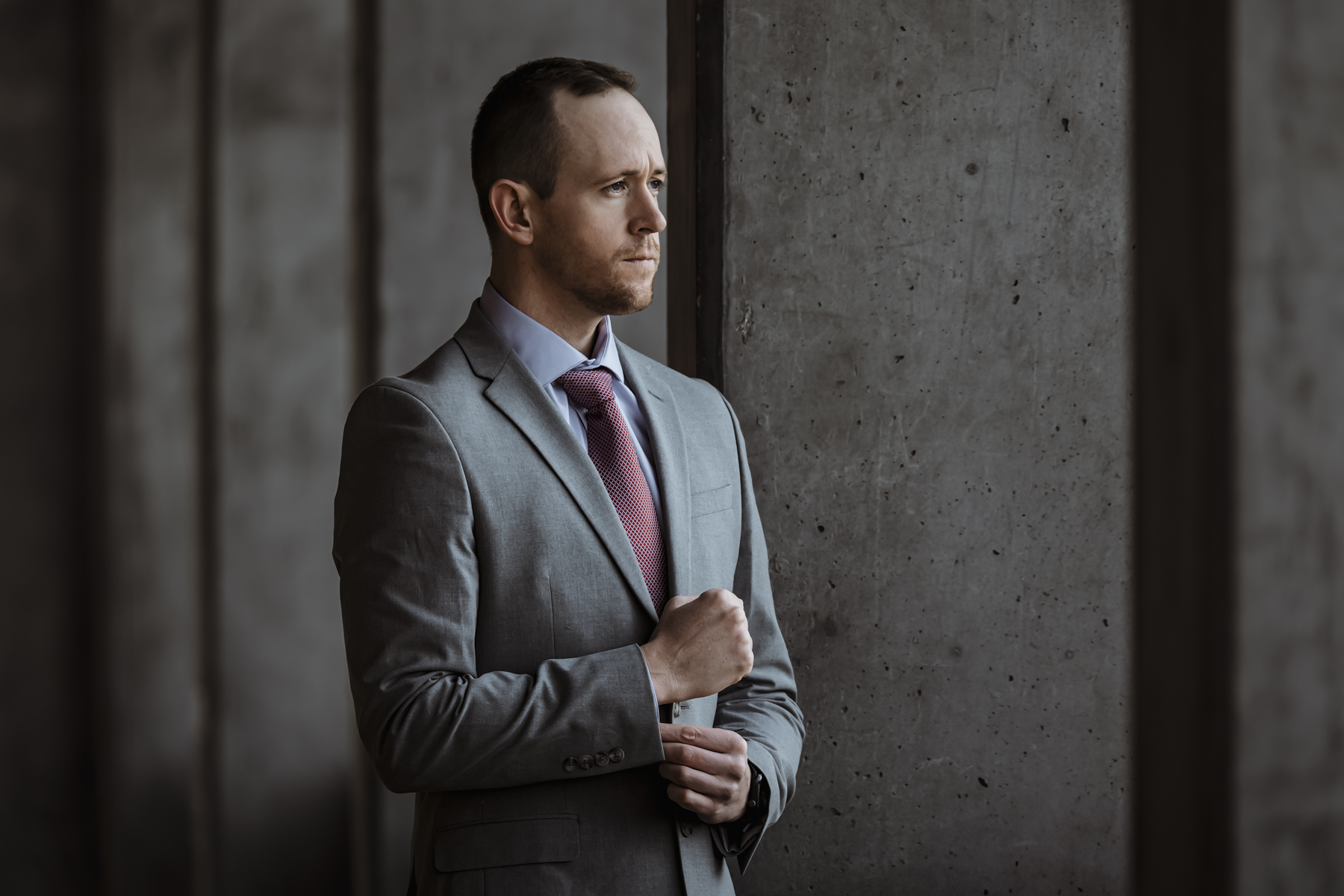
Portraits cover your team, your leadership, and you. Not just formal headshots, but working portraits that show people doing what they do. A financial advisor at their desk. A chef in their kitchen. A contractor on a job site. These put a human face on the business across your website, social media, and proposals.
Process and action shots show how you work. The hands-on moments, the behind-the-scenes activity, the daily reality. These build trust because they prove you actually do the thing you say you do.
Workspace photography shows where you work. Your office, your storefront, your production floor, your outdoor setup. These images do heavy lifting on your Google Business Profile and your website, where potential customers are trying to answer a simple question: “Is this place real, and does it match what they’re promising?”
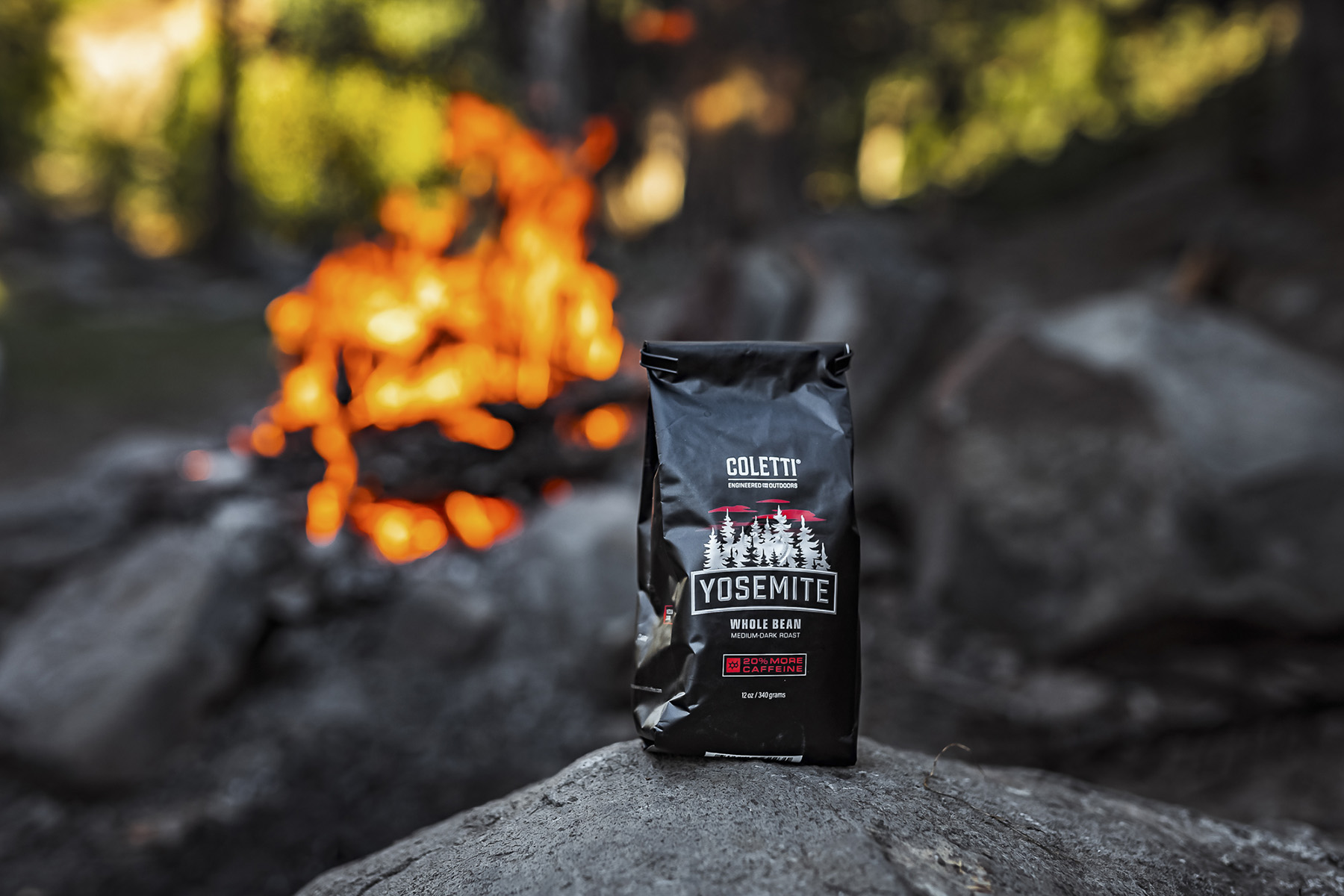
Detail and product shots capture the specifics. Close-ups of materials, tools, finished work, packaging, signage. These images fill the gaps on service pages, social media posts, and email campaigns where you need visual variety without running the same five photos into the ground.
And then there’s the storytelling layer. This is where most brand photography packages fall short. The images look professional but say nothing specific about the business they represent. Every brewery ends up with the same bearded-guy-and-hop-cones photos. Every consulting firm gets the same glass-conference-room shots. The images are competent and completely interchangeable.
(Professional and distinctive are two different standards. Most packages deliver the first and skip the second.)
The storytelling category means photographing what makes your business different from the one down the street. Not what makes you look professional. What makes you look like you. These five categories are what separate a brand photography library from a folder of nice images that sit in Google Drive getting older.
When Brand Photography Becomes Worth the Money
Not every business needs brand photography right now. Some need headshots first. Some need product photography first. The right investment depends on where your visual presence is weakest and where that weakness is costing you the most.
But there are specific signals that tell you it’s time. You’re charging premium prices but your website looks like a side project. That trust gap between what you charge and what you show is real, and your sales team absorbs the cost of closing it every time they get on a call with a skeptical prospect. You’re redesigning your website and the designer keeps asking for images you don’t have. A $15,000 website filled with stock photos is a $15,000 website that looks like everyone else’s. You’ve been recycling the same four images for six months because there’s nothing else in the library. Your business has changed but your photos haven’t.
Most business owners spend somewhere between $1,000 and $3,000 for a brand photoshoot that produces 12 to 18 months of usable content. That’s less than most businesses spend on a single month of digital ads that disappear the day you stop paying for them. The photos keep working.
If your current approach means grabbing whatever photo seems good enough, you’re leaving money on the table. Look at your visual presence right now. Your website, your Google listing, your social media, the last proposal you sent. Do they look like the same company? If the answer is no, you don’t have a photography problem. You have a brand photography problem. DM me “brand photography” if you want to talk about what a system looks like for your business.