Your company spent six figures on a website redesign. The layout is clean, the copy is sharp, and the user experience is exactly what the agency promised. Then someone filled it with stock photos of people in blazers shaking hands in a glass conference room, and the whole thing looks like it was built for a company that doesn’t exist.
That’s the gap commercial photography fills. Not the “nice to have” gap. The credibility gap. The gap between what your business actually is and what a potential customer sees when they land on your website, scroll your social media, or flip through your proposal deck.
Commercial photography is any photography created for business use. That’s the short definition. The longer and more useful one: commercial photography is the process of creating images that are planned around a specific business objective, produced to professional standards, and delivered in formats ready for the channels where your audience will see them. It’s photography with a job description.
How Commercial Photography Differs from Everything Else
The word “commercial” trips people up because it sounds like it should mean advertising. It’s broader than that. Commercial photography is the umbrella category that covers every type of professional photography a business commissions for marketing, sales, operations, or communications purposes.
Editorial photography tells a story for a publication. The photographer has creative control, and the images serve the narrative. Fine art photography serves the artist’s vision. Event photography documents what happened. Commercial photography serves the business that commissioned it. The client defines the objective, the photographer delivers images built to meet it, and the usage rights are negotiated as part of the contract.
That last part matters more than most business owners realize. When you hire a commercial photographer, you’re not just paying for someone to show up with a camera. You’re paying for production planning, professional execution, post-production editing, and a license to use those images in specific ways. A set of product photos licensed for your website and social media is a different transaction than a set of advertising images licensed for national print distribution. The scope of use affects the price, the contract, and what you can legally do with the images after delivery.
This is one of the reasons commercial photography costs more than hiring your friend with a nice camera. The friend takes pictures. A commercial photographer delivers business assets with defined usage rights, consistent quality, and a production process designed around your marketing needs.
The Types of Commercial Photography Your Business Actually Needs
Every “what is commercial photography” article on the internet includes a list of types. Most of those lists are written for photographers trying to pick a specialty. This one is written for the business owner trying to figure out what to buy.
Product photography is the most straightforward category. Your product, photographed for the context where it sells. White-background e-commerce shots for Amazon or Shopify. Lifestyle images showing the product in use for social media and advertising. Packaging photography for retail. The format, lighting, and composition all depend on where the image will live and what it needs to communicate. A coffee company selling bags of beans online needs different photography than a jewelry brand selling through Instagram.
Product photography is also where the DIY temptation is strongest. For simple products on a clean background, a decent phone and a $50 lightbox can produce acceptable results. The quality gap shows up in lifestyle shots, reflective surfaces, small detailed products like jewelry, and anything that needs to convey premium quality. If your product costs $200 and your photos look like they belong on a $20 product, every prospect does that math instantly.
Brand photography is the visual identity of your business captured in images. Your team at work, your facility, your process, your culture, your leadership. These are the photos that fill your website’s about page, your LinkedIn company page, your proposals, and your recruiting materials. Brand photography makes your business look like your business instead of a stock photo template.
Most companies underinvest here. They’ll spend thousands on a logo and a brand guide that specifies exact hex codes for every color, then use phone snapshots and generic stock photos for every other visual touchpoint. The result is a brand that looks polished in theory and generic in practice.
Headshot and portrait photography is a subset of brand photography that deserves its own mention because it’s often the first type of commercial photography a business invests in. Executive headshots, team directory photos, LinkedIn profiles, speaker bios. The images are simpler in scope than a full brand shoot, but they’re often the first thing a potential client, investor, or employee sees. A headshot that looks like it was taken in 2014 with a camera phone sends a different signal than one that matches your current positioning.
Food and beverage photography serves restaurants, bakeries, breweries, food trucks, and packaged food brands. It covers everything from styled hero shots for advertising to the casual images that fill a Google Business Profile or social media feed. Menu photography, interior ambiance shots, team portraits, and product packaging all fall here. If your restaurant’s Google listing has three blurry customer photos and no professional images, you’re losing foot traffic to the competitor whose listing looks like a dining magazine.
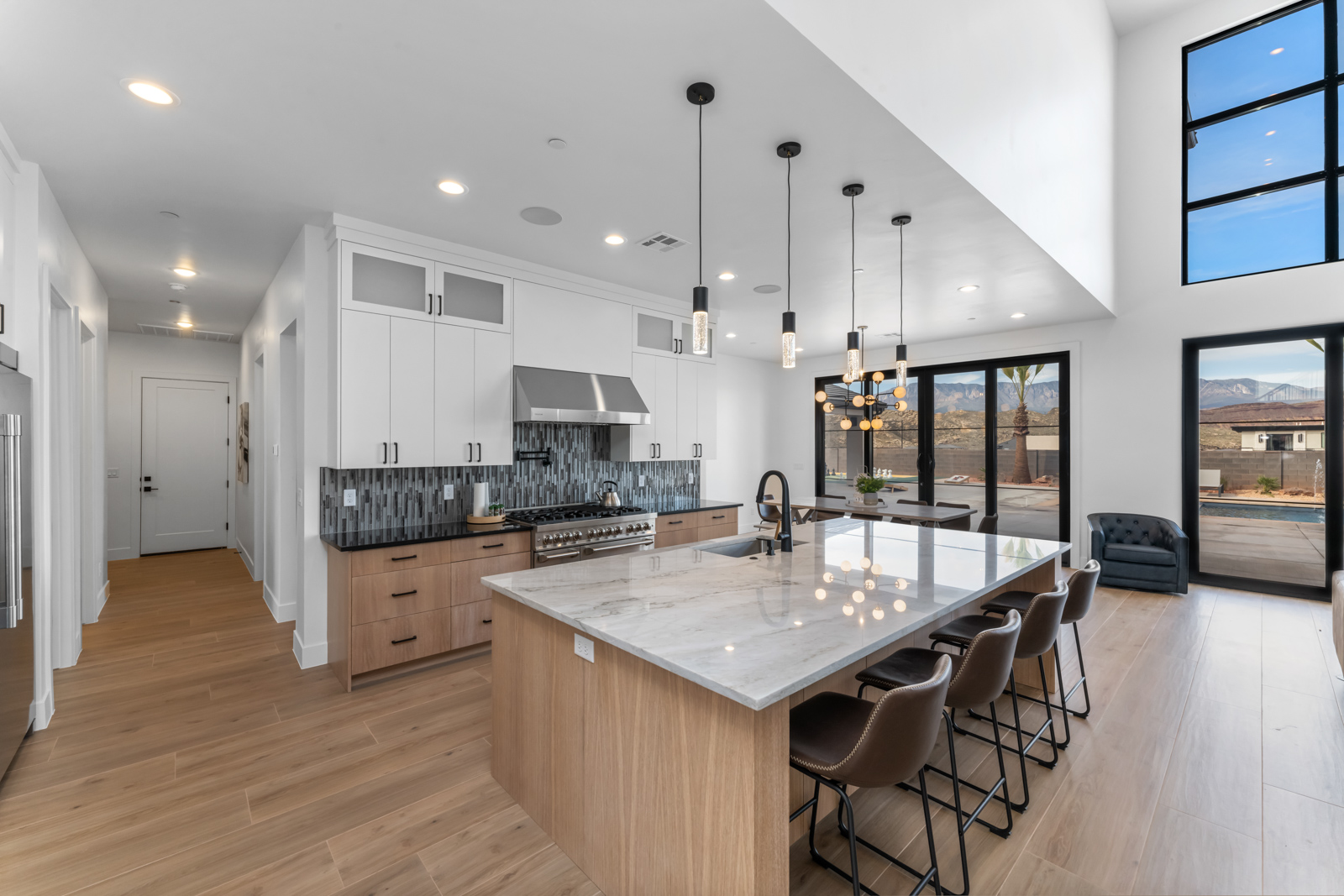
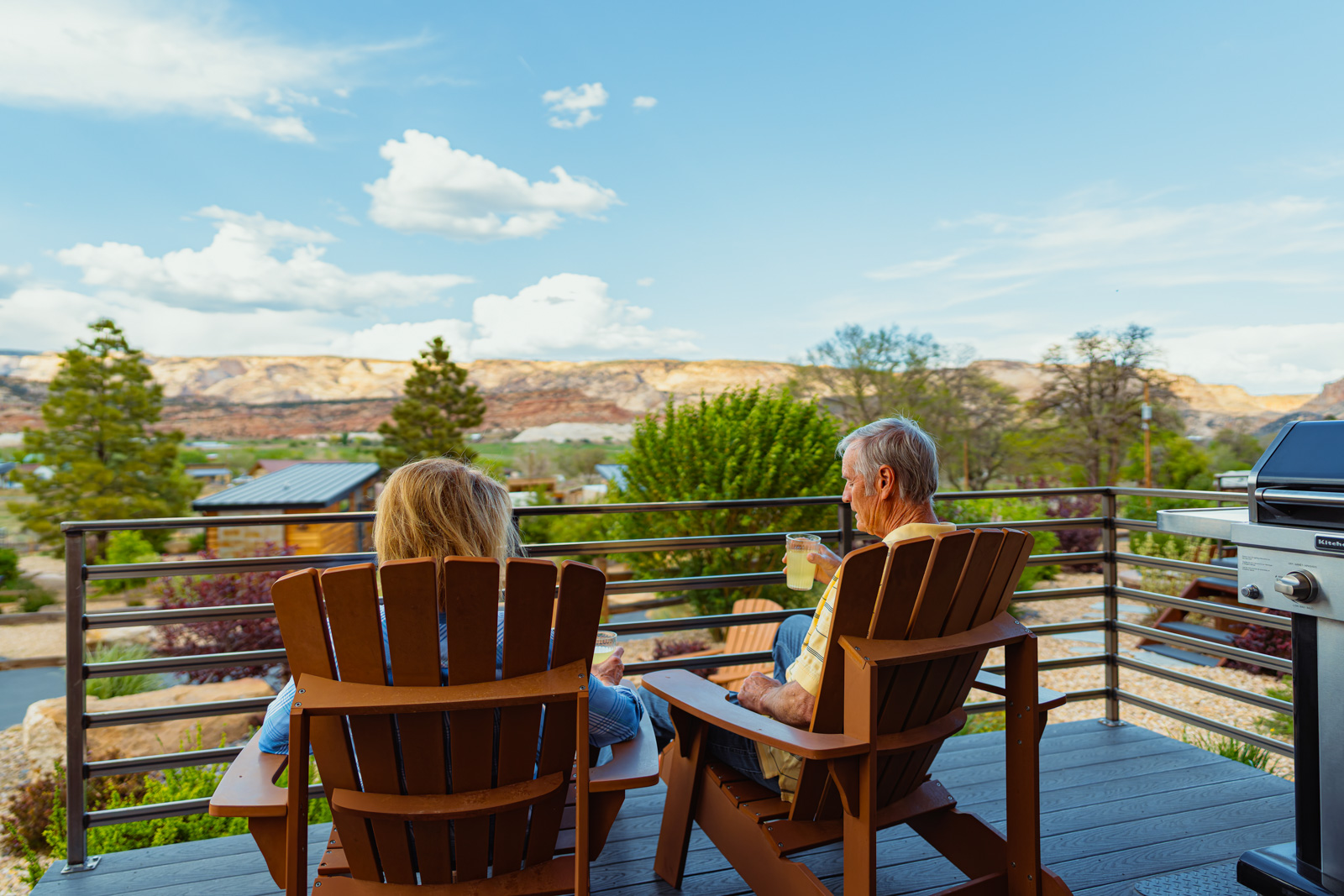
Real estate photography covers residential and commercial listings, vacation rentals, and property marketing. Professional real estate photography includes HDR interiors, exterior shots, drone aerials, and twilight photography. The deliverables are MLS-ready and formatted for listing platforms. Vacation rental photography is a related but distinct specialty. Listing photos for Airbnb and VRBO need to sell an experience, not just show a space.
Industrial and construction photography is the category most businesses don’t think about until they need it. Progress documentation for construction projects. Facility photography for manufacturing companies. Equipment and process documentation for proposals, investor reports, and regulatory compliance. Team photos for recruiting. If your company builds, manufactures, or operates in a physical environment, this is how you show clients and stakeholders what your work actually looks like instead of relying on clip art of someone in a hard hat.
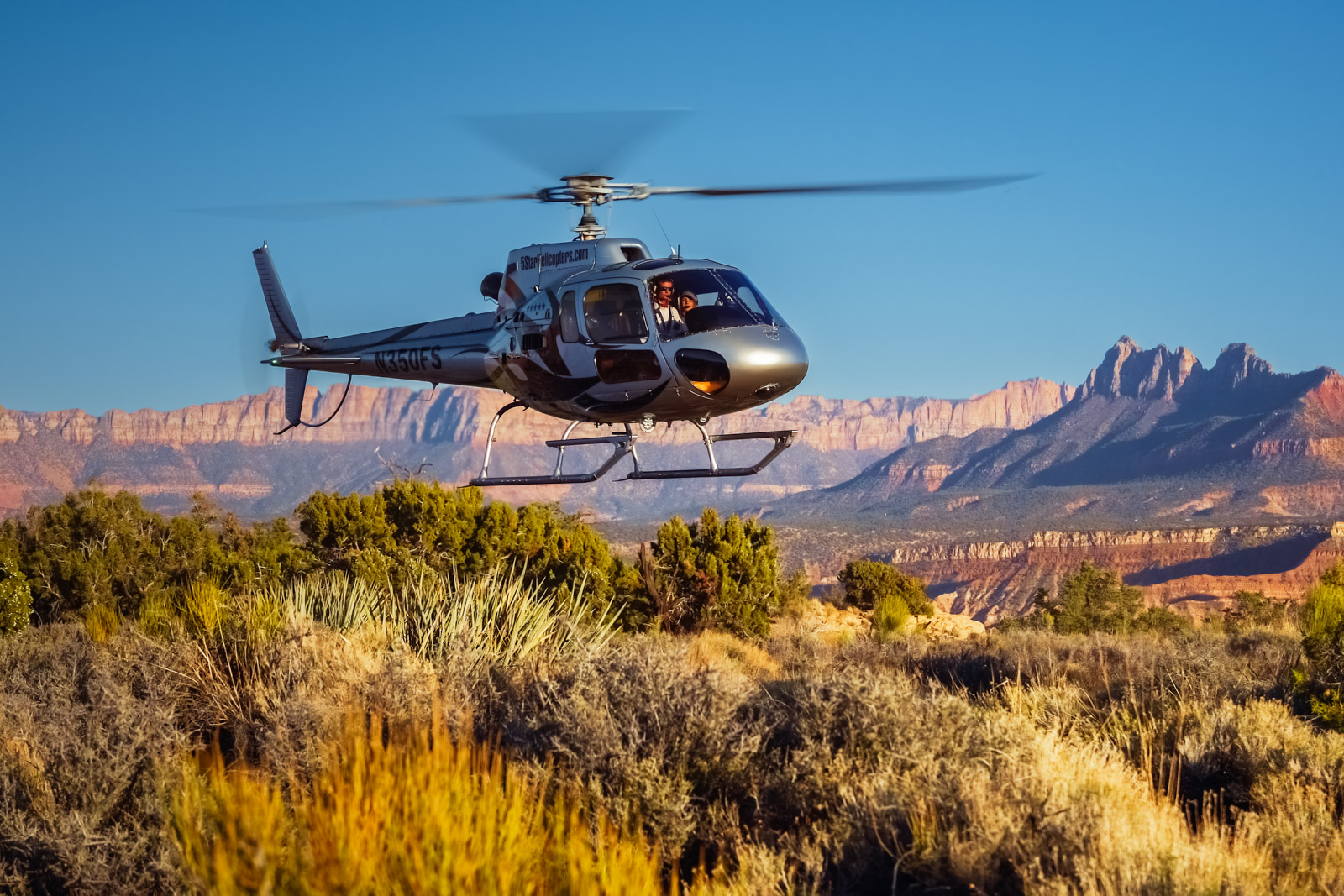
Advertising photography is the most production-intensive category. Images created for specific ad placements, whether print, digital, outdoor, or social media. Advertising photography is built to a creative brief with defined messaging, format specifications, and usage requirements. The production is more controlled, the planning is more involved, and the licensing scope is typically broader because the images are being placed in paid media. This is where commercial photography costs scale up, and where the investment makes the most direct impact on revenue.
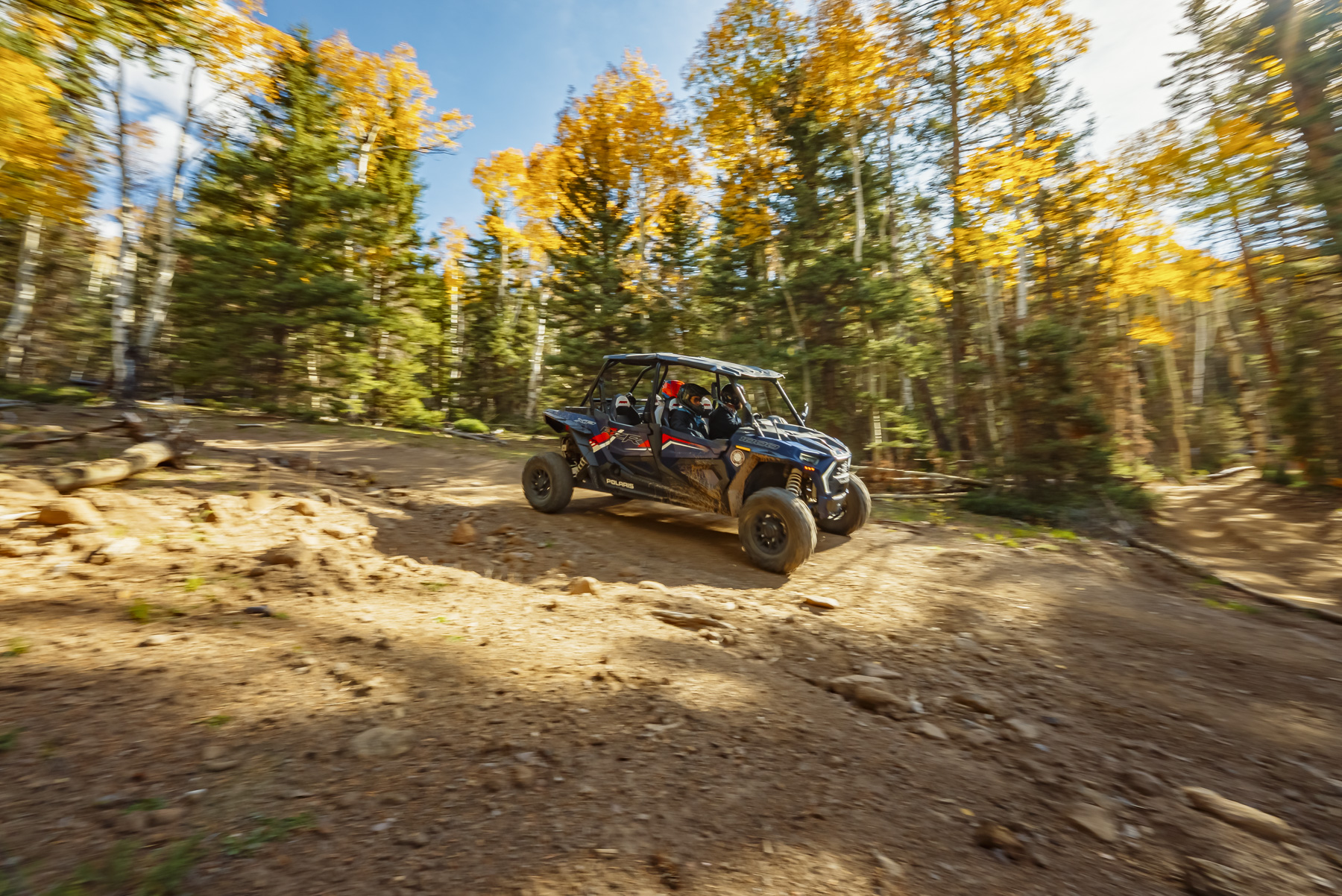
Marketing photography is the catch-all category for ongoing visual content. Blog headers, social media libraries, email campaign imagery, landing page visuals. Marketing photography is usually shot in higher volume than advertising photography, with a content calendar in mind. A single well-planned shoot day can produce enough marketing content to last six months to a year across multiple channels.
Not every business needs every type. Most businesses need two or three, matched to their marketing channels and growth stage. A startup launching an e-commerce brand needs product photography first, brand photography second. A restaurant opening a second location needs food photography, interior photography, and Google Business Profile images. A construction company bidding on larger contracts needs project documentation and facility photography for proposals. The right investment depends on where your visual content is weakest and where that weakness is costing you the most.
What Commercial Photography Actually Costs
Pricing is where most articles about commercial photography get vague or disappear entirely. That’s because pricing varies by project, and photographers don’t want to lose a potential client by quoting numbers out of context. Fair enough. But as a business owner trying to budget, “it depends” is not useful information.
Here’s the honest framework. Commercial photography is priced based on four factors: the length of the shoot, the number of final edited images, the complexity of production, and the scope of usage rights.
A two-hour headshot session for a small team costs significantly less than a full-day product photography campaign with 80 SKUs. A half-day brand shoot at your office is a different scope than a multi-day advertising production with models, location permits, and national usage licensing. The price reflects what’s actually involved, not an arbitrary hourly rate.
For general context: headshot sessions for small teams typically fall on the lower end of commercial photography pricing. Product photography ranges widely depending on volume and complexity, with per-image costs dropping significantly at higher volumes. Full-day commercial shoots for brand, marketing, or facility photography are priced as day rates or project rates depending on the photographer. Multi-day advertising productions with broad licensing are the highest-cost category.
Two things affect cost that most business owners don’t consider until the quote arrives. First, usage rights. Images licensed for your website and social media are standard. Images licensed for paid advertising, national distribution, or third-party use cost more because the scope of commercial value is greater. Second, post-production. Every image delivered is culled, color-corrected, and edited. Complex retouching, compositing, or batch processing for large product catalogs adds to the production cost.
If you have a budget range, share it early in the conversation. A good commercial photographer can tell you what’s realistic within that budget and what would require a different scope. The worst outcome is getting a quote back that’s three times your budget because nobody had the pricing conversation before the production plan was built.
When Your Business Actually Needs Commercial Photography
Not every business needs professional photography right now. Some do, and they’re losing money every month they wait. The difference is usually visible in about five minutes if you know what to look for.
Pull up your website on your phone. Open your Google Business Profile. Look at your last three social media posts. Now look at your top competitor’s versions of the same thing. If your visual content looks noticeably weaker, less professional, or less consistent, that gap is affecting how potential customers perceive your business before they ever talk to you.
Here are the situations where commercial photography stops being optional and starts being a business decision with measurable impact.
You’re launching or relaunching a website and the design team is asking for images. If you fill a professional layout with amateur photos or generic stock, the design investment is undermined.
You’re in an industry where customers evaluate visually before they contact you. Restaurants, hotels, real estate, retail, professional services, construction. If your business looks worse online than it looks in person, you’re filtering out prospects who would have become customers.
Your sales team sends proposals or pitch decks that include images. If those images are stock photos, screenshots, or phone snapshots, they’re communicating something about your company’s attention to detail whether you intend them to or not.
You’re running paid advertising. The single highest-leverage change you can make to ad performance is upgrading the creative. Better photography in ads means better click-through rates, lower cost per acquisition, and higher conversion. This is one of the few areas where the ROI of commercial photography can be measured directly through A/B testing.
You’ve been using the same photos for more than two years. Businesses change. Teams change. Facilities change. Products change. If your visual content represents a version of your company that no longer exists, it’s creating a disconnect that erodes trust at every touchpoint.
(And if you’re currently using AI-generated images for your business marketing, that deserves its own honest assessment. AI image tools are improving fast, but they still struggle with brand-specific accuracy, product fidelity, and the kind of authentic human presence that builds trust. For product photography with precise specifications, team portraits, and anything involving your actual facility or people, AI-generated images aren’t a substitute. For some conceptual marketing graphics and social media filler, they can work as a supplement. Know the difference.)
How to Evaluate a Commercial Photographer Before You Hire One
Finding a photographer is easy. Finding the right one for your business takes a little more attention.
Start with the portfolio. Not whether you like the photos, but whether the photographer has experience in your industry or a related one. A photographer who shoots stunning wedding portraits may have zero experience managing a product photography workflow for an e-commerce catalog. The technical skills transfer, but the production planning, the understanding of deliverable formats, and the ability to manage a shoot day that involves 60 SKUs instead of one couple, those are different disciplines.
Ask what their process looks like before shoot day. A commercial photographer who starts with a conversation about your business goals, builds a shot list around your marketing needs, and sends you a production plan before the shoot is operating at a different level than one who shows up and asks “so what do you want to shoot?” The planning is where the value lives. The photography is the execution of that plan.
Ask about deliverables and turnaround. How many final edited images will you receive? In what formats? How long after the shoot? What does the revision process look like? These are operational questions that affect whether the images actually get used by your team after delivery.
Ask about usage rights before you sign anything. Most commercial photographers include standard digital usage rights (website, social media, marketing materials) in their project pricing. Extended usage for advertising, national distribution, or third-party licensing is typically quoted separately. You want this defined clearly in writing before the shoot, not negotiated after the fact when you realize your ad agency needs the images for a billboard.
And ask for references from business clients, not other photographers. A photographer’s peers can tell you about technical skill. A business client can tell you whether the images actually served their marketing goals, whether the photographer was responsive and organized, and whether the deliverables arrived on time and in usable formats.
The Difference Between Buying Photography and Buying a Marketing Asset
The most expensive commercial photography mistake isn’t overpaying for a shoot. It’s paying for photography that was never connected to a marketing plan.
I’ve seen it happen dozens of times. A company invests in a professional shoot, receives 200 beautiful images, and then uses maybe 15 of them because nobody thought about where the images needed to live before they were created. The photos are technically excellent and strategically homeless. They sit in a Google Drive folder getting older while the marketing team goes back to using stock photos because the professional images don’t fit the dimensions, the tone, or the channels they actually need.
Commercial photography works when it’s planned as a marketing investment, not purchased as a photography expense. That means the shot list is built around your content calendar. The deliverable formats match your platforms. The production covers the full range of your marketing needs, not just the hero shots. And the photographer understands that their job isn’t done when the images look good. Their job is done when the images work.
That’s the answer to “what is commercial photography” that most articles skip. It’s not a genre of photography. It’s a business function. The businesses that treat it that way get images that generate returns for years. The ones that treat it as a line item get a folder full of nice photos and the same stock photo problem they started with.