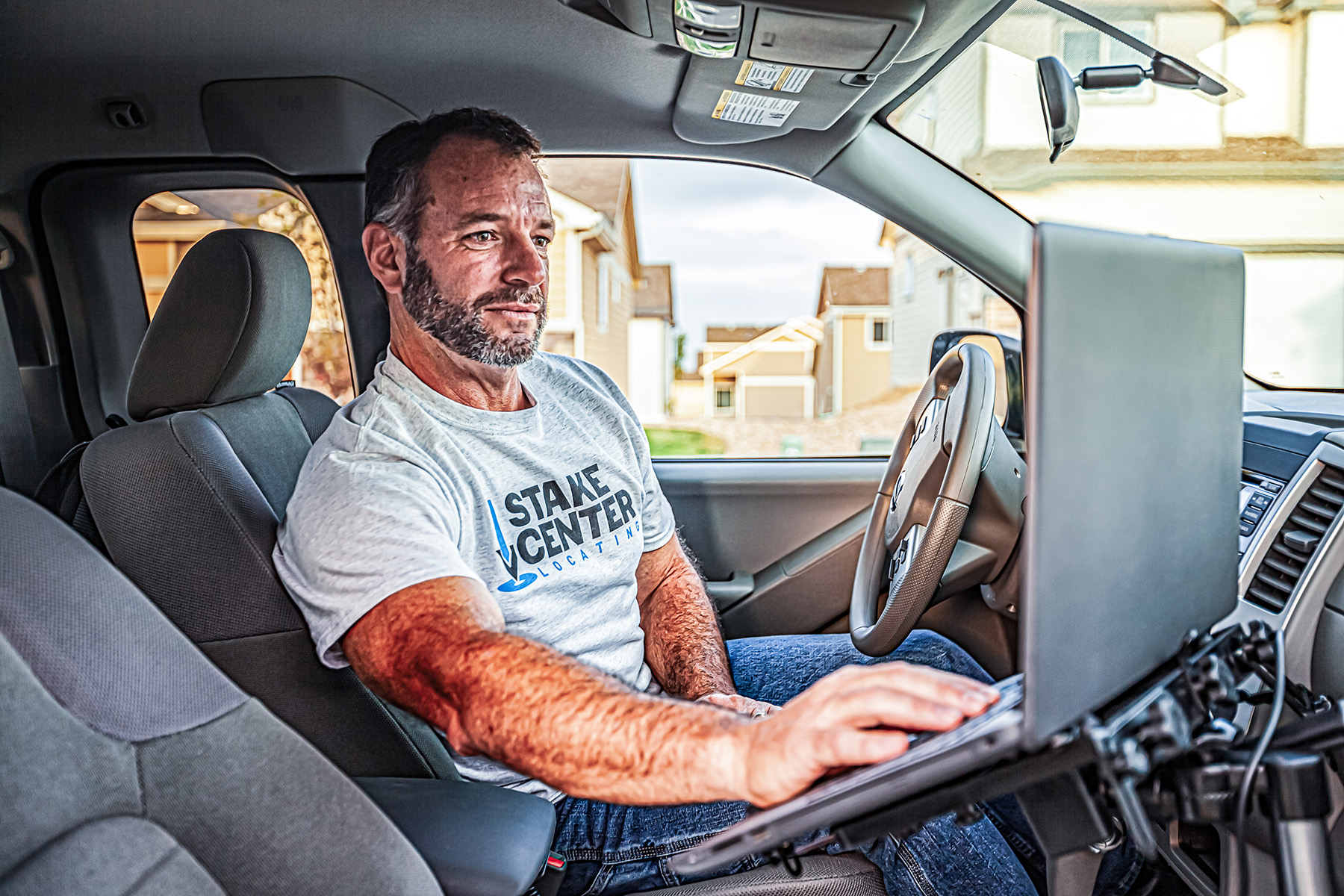
Most business photos look like they were chosen to fill space. A headshot here. A product shot there. Maybe some stock images of people shaking hands in a conference room. The photos exist, but they don’t do anything. They just sit on pages and take up pixels.
The best brand photography examples work differently. They sell without shouting. They build trust before anyone reads a single word of copy. They answer questions prospects didn’t know they were asking. And they do all of this quietly, in the background, while you focus on other things.
What separates photos that work from photos that just exist? It comes down to whether the image supports a specific message or just fills a hole in the layout. That difference sounds small. It’s not. One approach burns budget. The other builds value every time someone lands on your site.
Founder Portraits That Actually Say Something
Picture two financial advisors with identical credentials. Same certifications. Same experience. Similar services. Advisor A has a traditional headshot. Soft lighting, neutral background, professional smile. It looks fine. It also looks like every other financial advisor in town.
Advisor B took a different approach. Her photos show her in a modern office, dressed sharp but approachable. One shot captures her mid-laugh during a conversation. Another shows her reviewing documents with visible focus and intensity. The lighting feels warm rather than clinical.
Which advisor feels more trustworthy before you’ve read a single bio line? The lifestyle brand photos tell a story the headshot never could. They communicate “serious about your money but easy to talk to” without saying it directly.
This pattern holds across industries. Generic portraits waste the trust-building opportunity your leadership photos could provide. Strategic portraits that show personality, environment, and energy give prospects a reason to lean in before they know anything else about you.
Website Imagery That Shows The Experience
Hotel websites make this mistake constantly. Gorgeous drone shots of the property. Perfectly staged rooms with crisp white linens. Sunsets that look almost too pretty to be real. But scroll through and notice what’s missing. People. Activity. Life.
Empty room photos look like real estate listings. They show what exists but not what it feels like to be there. Website imagery that actually converts shows the experience, not just the space. Glasses being raised at the rooftop bar. Families walking the grounds. Staff members mid-service with genuine smiles.
The difference matters because of how brains process images. When viewers see people enjoying a space, they automatically imagine themselves in that scene. Empty rooms ask prospects to do all that imagination work alone. Most won’t bother. They’ll just keep scrolling.
This applies far beyond hospitality. Service businesses should show team members working with clients. Restaurants should show tables full of people, not empty dining rooms waiting to be filled. Retail spaces should feel alive. Campaign visuals that include human activity almost always outperform sterile beauty shots of empty environments.
Product Shots That Sell The Feeling
White background product photography has its place. Clean, consistent, professional. Perfect for Amazon listings and catalog layouts where comparison shopping demands uniformity. But lifestyle context often outperforms isolation when the goal is desire rather than information.
Think about skincare brands that position around self-care rituals. A bottle floating in white space shows you what you’re buying. That same bottle on a bathroom counter, morning light streaming through the window, steam rising from a nearby coffee cup? That shows you how it feels to use it. The first approach provides information. The second creates want.
The brand photography examples that drive the strongest results match visual context to positioning. Products meant to feel luxurious need luxurious settings. Products meant to feel rugged need rugged environments. Products meant to feel simple and clean can thrive on white backgrounds because that visual matches the message.
Mismatch kills performance. A wellness brand with sterile clinical photos. An outdoor company with studio-polished images. An approachable service business with stiff corporate portraits. When photos contradict positioning, something feels off even if viewers can’t name what’s wrong.
Process Photos That Build Proof
Polished final images look like marketing. Process images look like proof. Both belong in your library, but most businesses over-invest in polish and skip proof entirely.
A craft distillery’s most engaging content rarely comes from the perfect bottle shots. It comes from copper stills with steam rising. Workers checking gauges. The messy, real, in-progress moments that show the product actually being made. The same pattern appears everywhere. Restaurant kitchen prep shots. Manufacturing assembly lines. Service teams in actual meetings.
Why does this work? Because audiences have learned to distrust perfection. They’ve seen too many stock photos and staged scenarios. Real process images break through that skepticism. They say “this is actually happening” in a way that polished results never can.
The practical application is simple. Next time you’re planning a photo shoot, build in time for behind-the-scenes content. Capture the work happening, not just the finished output. Your audience will engage with authenticity faster than they’ll engage with perfection.
Making Your Photos Work Harder
The brand photography examples that perform best share one trait. They align with what the business wants people to feel. Not what looks impressive. Not what might win awards. What actually supports the positioning and message that drives results.
Pull up your website right now. Look at the photos with fresh eyes. What story are they telling? Do they support your positioning or just fill space? Is there life and energy, or empty rooms and generic headshots?
If there’s a gap between what you see and what you want people to feel, you’ve found your next priority. The goal isn’t perfection. It’s alignment. Photos that quietly do marketing work will always beat a folder full of pretty images that say nothing at all.