Most “creative blocks” in commercial work are just expensive shopping carts pretending to be ambition. A new lens. A new body. A new flash that claims it can light an aircraft hangar from space. And somehow, the work still feels flat. If that sounds familiar, good. It means you are ready to graduate from gear thinking into concept thinking.
This post is a reality check for anyone chasing commercial photography ideas while assuming the camera is the bottleneck. It usually is not. Concept is the bottleneck. Creative direction is the bottleneck. Clarity is the bottleneck. You can make a technically perfect image that does absolutely nothing for a brand campaign, and the client will feel it in their bones.
What you are going to learn here is simple. How professionals develop concepts that sell, how commercial photoshoot planning actually works when it is done with intent, and how visual storytelling stops being a vague buzzword and starts becoming a repeatable system.
Why Commercial Photography Ideas Die Without A Brief
Let’s start with the uncomfortable truth that saves people the most money. If you cannot explain what the image is supposed to do, you cannot price it, plan it, or shoot it with confidence. You are just out there collecting “cool shots” and hoping the client finds a use for them later. Spoiler, they will not, because they are busy running a business and you are busy trying to prove your new lens was a good decision.
Strong commercial photography ideas begin with one sentence that forces clarity. Who is this for, what do we want them to feel, and what do we want them to do next. That is the spine. Without it, you end up making images that are technically competent but strategically unemployed.
A brief does not need to be a 17-page document with corporate font choices and a table of contents. It needs to answer the questions that control the shoot. What is the offer. What is the product truth. What objection are we trying to remove. Where will these images be used. Website hero. Paid ads. Email. Trade show banners. Packaging. Internal sales decks. Each placement changes the framing, the pacing, and the kind of “moment” you need to capture.
This is where visual marketing strategy shows up in the work. Not as a vibe, as a decision engine. When you know the destination, your concept stops wandering. Your lighting choices get cleaner. Your props get simpler. Your compositions get more direct. The camera finally becomes what it is supposed to be, a tool, not a personality trait.
Creative Direction Is The Real Upgrade You Need
People love to talk about “style” like it is something you’re born with, like eye color. In commercial work, style is mostly just disciplined creative direction, repeated until it looks inevitable. If you want your work to feel elevated, stop trying to shoot your way out of a planning problem.
Creative direction starts with references, but it does not end there. References are training wheels. The real work is translating “I like this” into choices you can execute. What is the light quality. What is the color temperature. What is the contrast curve. What is the wardrobe language. What is the set design saying about the brand. If you cannot describe those choices, you cannot reproduce them, and your results will keep living in the land of happy accidents.
Commercial photoshoot planning gets easier when you treat it like building a small production, not going on a creative hike with snacks. You define the shot types you need. You define the coverage. You define the rhythm of the story. A lot of brand campaigns fail because they are built on one hero image and a pile of leftovers. A campaign needs a system of images that can support the whole funnel, from first impression to purchase confidence.
This is also where visual storytelling becomes practical. You are not writing a screenplay. You are creating a sequence of proof. The product in use. The product detail. The result. The person. The environment. The brand personality. When that sequence exists, you can shoot faster and edit smarter because you are not improvising the narrative on set.
One more thing that makes creative direction feel “professional” is constraints. Professionals choose constraints on purpose. A limited color palette. A consistent angle language. A lighting rule. A background rule. Constraints are not creativity killers. They are the rails that keep your concept from drifting into random.
How To Build Concepts That Sell And Scale
Here is the difference between a hobbyist idea and a commercial idea. A hobbyist idea is “this would look sick.” A commercial idea is “this will move the right buyer toward action.” The second one is less romantic, and it pays better.
If you want better commercial photography ideas, start with outcomes, not aesthetics. Ask what the client is actually trying to solve. Low conversion on product pages. A stale website that does not match their pricing. An ad campaign that is bleeding budget because the imagery does not communicate value fast enough. Once you know the problem, the concept has a job.
Then build the concept in layers. First, the core message. Second, the proof points you can show visually. Third, the variations needed for different placements. This is where a marketing photography consultant mindset beats a “photographer for hire” mindset every time. You are not selling hours. You are building assets that can live across channels and stay consistent.
A practical way to pressure-test a concept is to ask if it can generate a full set, not a single frame. Can this idea produce a hero image, supporting lifestyle images, tight details, environmental context, and a few utility shots that make designers happy. If the concept collapses after one photo, it is not a campaign concept, it is a poster.
This is also the moment to think about content repurposing strategy, because the best shoots produce more than one deliverable. A smart concept creates a library that the brand can use for months. That means your plan should include intentional variety, not accidental variety. Different crops. Different compositions. Negative space options for copy. A mix of wide and tight frames. If you hand a marketing director twelve images that all feel identical, you did not give them a library. You gave them a screensaver collection.
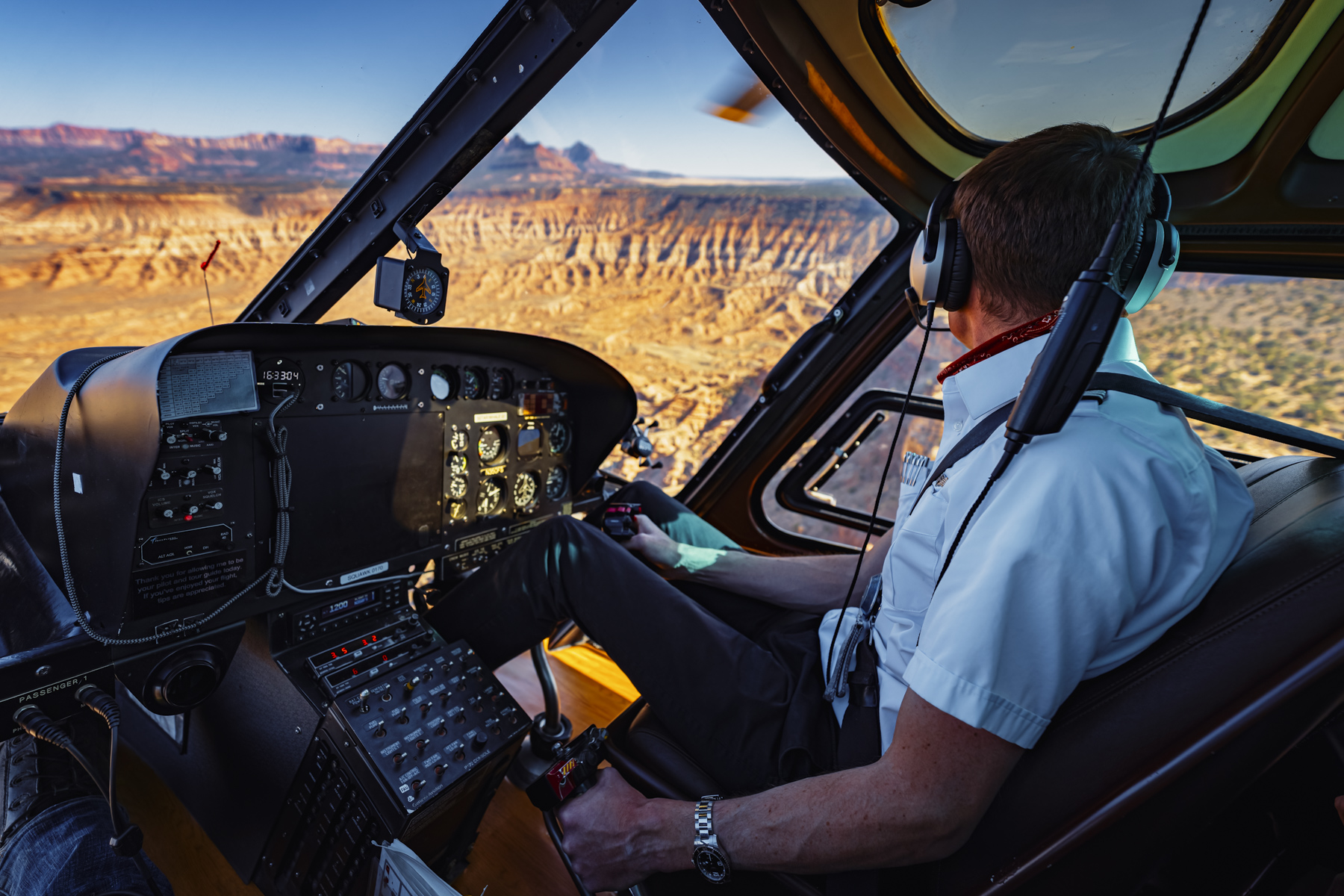
If you want a concrete example, outdoor brand photography lives and dies on believable moments. The gear is not the hero, the experience is. The lighting needs to feel real, the product needs to be readable, and the subject needs to look like a person who actually uses the thing. That is concept work. That is casting. That is wardrobe. That is location logic. None of that is solved by a new lens.
Same idea in manufacturing or hospitality. The concept has to match the buying brain. Manufacturing often needs clarity, capability, process, and trust. Hospitality often needs atmosphere, comfort, and a sense of belonging. Different concept. Different creative direction. Different visual storytelling rules. The camera does not care. The buyer does.
A Better Concept Makes The Camera Quiet Again
If you are stuck, do not shop. Write the brief. Define the goal. Decide where the images will live. Build constraints. Then let creative direction do what it is supposed to do, which is turn “I think I want something cool” into a plan a team can execute. When your concept is strong, your camera becomes quiet. It stops being the main character.
If you want, drop a comment with the kind of work you do and what you are currently stuck on. I will tell you whether it sounds like a gear problem or a concept problem. And if you are building brand campaigns and need a second set of eyes on creative direction, send me a message.