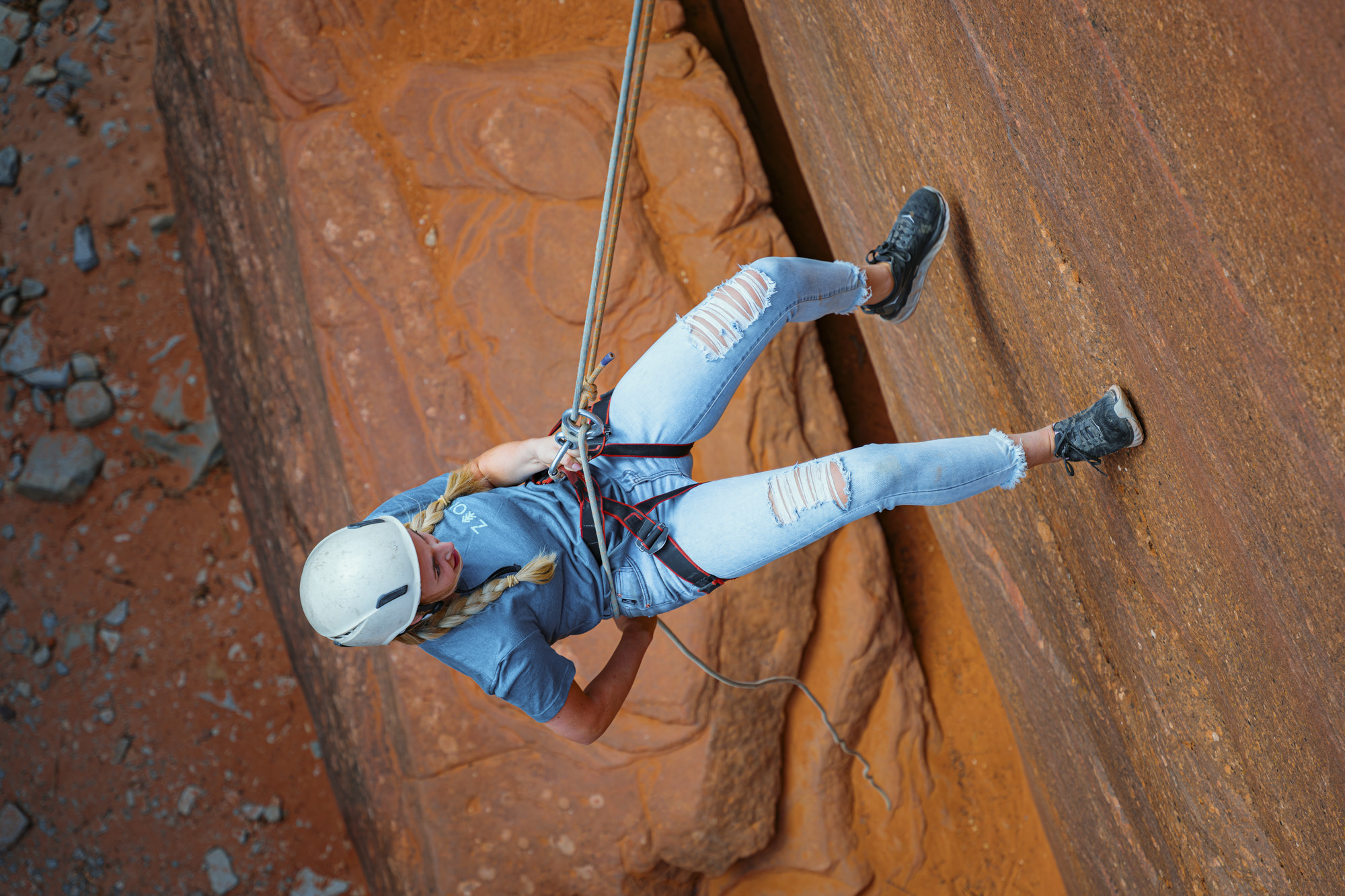
You can spot it from across a room. The image that still works five years later. Not because it is trendy, not because it got a spike of likes, but because it has a backbone. If you have ever looked at your own work from two years ago and felt the urge to quietly delete a folder, you already know what I mean.
Timeless photography is not a mysterious gift from the creative gods. It is a set of choices that age well on purpose. The good news is that those choices are learnable. The bad news is that it means you cannot blame your camera anymore, which is tragic for anyone who enjoys retail therapy.
In this post I am going to break down the visual elements that hold up, why they hold up, and how I apply them when I am building campaign imagery for brands. You will walk away with a practical way to judge whether an image will still feel credible later, plus a simple method for building that consistency into your shoots without turning the process into a personality test.
Timeless Photography Starts With Quiet Composition
Most images do not age badly because of gear or resolution. They age badly because the composition is doing too many jobs at once. When an image is trying to be a product shot, a lifestyle moment, a location flex, and a creative experiment, it does none of them well. The viewer cannot tell what matters, so the image feels noisy, even when it is technically sharp. Composition balance is not about rules. It is about clarity. What is the subject, what supports it, and what is just there because you had space in the frame.
When I am building a shoot for a client, I treat composition like brand math. If the visual hierarchy is clean, the image reads fast, which makes it usable across channels. That matters because nobody consumes marketing like a slow museum stroll. They scroll. They skim. They decide. If the image only works when you stare at it for twenty seconds, it is not timeless, it is just demanding.
Simplicity is the part that scares people because they confuse it with boring. Simple is not empty. Simple is intentional. A timeless frame usually has fewer competing shapes, fewer competing highlights, and fewer little visual jokes happening in the background. It leaves enough space for the subject to feel like the subject. That is why classic editorial portraits still work. That is why clean product images still work. The moment you add too many “clever” elements, the image becomes tied to the era that thought it was clever.
This is also where the commercial photography process matters more than most creatives want to admit. If you start with a clear use case, you make better compositional decisions. A website hero image needs breathing room. A paid ad needs a fast read. A packaging image needs a clean product edge and consistent light. When people skip the planning and shoot “whatever feels cool,” they end up with assets that are pretty but not durable. If you want timeless photography, treat your composition like a tool for communication, not a stage for self expression. You can still make it beautiful, but beauty is not the job by itself.
Color Harmony and Tone That Survive Trends
Color is where a lot of images go to die. Not immediately, either. They die slowly, after the third trend cycle swings through and your once bold grade suddenly looks like it is wearing skinny jeans from 2012. Timeless color harmony does not mean you have to shoot neutral. It means you make choices that support the subject and the story, not choices that scream “this was edited during a specific month on the internet.”
The simplest test is this. If your color is the first thing someone notices, it is probably doing too much. Good color supports. Great color disappears. You notice how the image feels, not how the sliders were set. That usually means controlled contrast, consistent skin tones if people are present, and a palette that does not fight itself. You can absolutely use bold color, but it needs to be a deliberate palette decision, not a side effect of chasing a look.
This is where my marketing brain and my photographer brain stop arguing and finally shake hands. Brands do not need a new “look” every week. They need trust. Visual trust is built when your audience sees your imagery and instantly knows it is you. That is why consistent brand visuals outperform a viral one off in the long run. If your feed looks like five different companies sharing one login, people hesitate. If your campaign images share a common tone, people believe.
Practically, I build that consistency with repeatable decisions. I standardize how I expose for skin, how I protect highlights, how I handle greens, and how I keep product color honest. If you are working in both photo and video, the idea is the same. You are building a controllable baseline so every asset feels like it belongs to the same world. That is not about being rigid. It is about being reliable.
If you are a creative trying to grow, this is also a strong entry point for photography marketing for photographers because it gives you a language clients actually understand. They might not care about your camera body. They do care about whether your work looks consistent across a website, a brochure, an ad, and a storefront screen. When you can explain tone and color as a business asset, you are no longer selling edits. You are selling brand stability.
Storytelling Longevity for Brands That Want More Than Hype
The fastest way to make an image feel dated is to make it perform a trend instead of tell a truth. Trends can be fun. I am not above enjoying a good visual gimmick. But a gimmick is a short term spike, not a foundation. Timeless photography has emotional impact because it is built on something human. A real moment. A real benefit. A real sense of place. A real expression. Even in a highly produced commercial shoot, the best images still feel like they are about something, not just styled at something.
This is where a lot of commercial work gets better the moment you stop thinking in “shots” and start thinking in story. What does the brand stand for. What does the customer want. What do they fear. What do they hope will be easier after they buy the product or book the experience. If the images answer those questions, they last because people keep being people. If the images only answer “what is popular right now,” they age out the moment popular changes.
For my resort, tourism, and product clients, I think about longevity as a practical deliverable. They need assets that can run for months, sometimes years, without looking stale. That means building scenes that feel grounded and repeatable. Strong lighting that does not depend on one weird trick. Wardrobe that looks like a human chose it, not a trend report. Locations that support the product story. Expressions that read as real. This is also why a commercial photography brief template is not busywork. It is a way to make sure everyone is aiming at the same message before the first frame is taken.
If you are a brand side reader, here is the key point. Timeless does not mean safe. It means aligned. When your imagery is aligned to your positioning, you can be bold without being disposable. When it is aligned to a clear promise, you can create variety without looking inconsistent. When it is aligned to your audience, you can stop chasing attention and start earning trust. That is the difference between content that fills a calendar and content that builds a brand.
This is also where brand photography ideas become useful, but only if they are rooted in strategy. Ideas are cheap. A usable concept is expensive because it has to work in the real world. It has to fit your campaign, your channel, your timeline, your budget, and your audience. If you want images that last, do not start with what looks cool. Start with what needs to be true. Then build the visual language around that truth.
How to Build Timeless Photography Into Every Shoot
Here is the part people want to skip, which is exactly why I am bringing it up. Timeless photography is built before you arrive on set. You build it in the choices you make about what the image needs to communicate, what tone the brand needs to maintain, and what constraints you are willing to accept. If you want a practical next step, start by defining a small set of non negotiables for your brand visuals. Not fifty. Three to five. Things like lighting style, contrast range, skin tone approach, and composition priorities. That becomes your guardrail.
Next, make your planning match your outcome. If you need campaign assets that last, plan for sequences, not singles. Plan for coverage, not just hero shots. Build a shot list that supports the story arc, even if the story is simple. A beginning, a middle, an end. Then shoot with discipline so the set of images feels like it belongs together. That is how you get consistent brand visuals without repeating yourself into boredom.
If you want help tightening this up for your own brand or building a commercial photography process that produces durable assets, that is the kind of work I love. Drop a comment with what you sell and what you want your visuals to communicate, or send me a message if you want a second set of eyes on your current imagery. Timeless images are not an accident. They are a strategy you can actually run.